

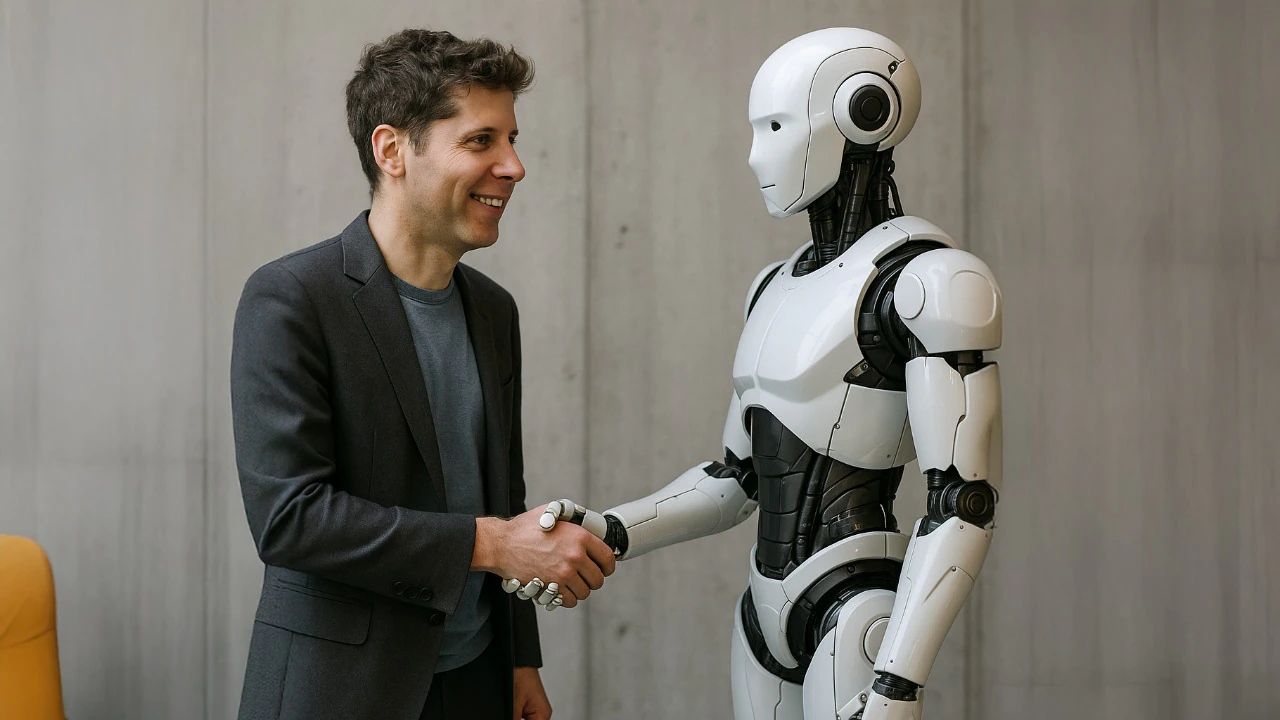
OpenAI is best known for its artificial intelligence models, but the company may soon move into another exciting area: humanoid robots. CEO Sam Altman has confirmed that OpenAI is working on humanoid robots and hinted that people could get their first look at one soon.
The development could mark a major step for OpenAI as it looks beyond software and explores how AI can work in the physical world. However, the company has not yet shared a confirmed launch date or detailed specifications for its robot.
Why Is OpenAI Building Humanoid Robots?
Speaking on the Sources podcast, Sam Altman explained why a human-like design could make sense for robots. He said the world is largely designed for people, from doors and stairs to everyday tools and workspaces.
This is one of the main reasons companies are exploring humanoid robots. A robot with a human-like body could potentially use existing spaces and equipment without requiring major changes to buildings or workplaces.
For example, a humanoid robot might be designed to move through a home, pick up objects or assist with routine tasks. These are possible applications, though OpenAI has not confirmed which jobs its robot will perform.
When Will OpenAI Show Its Humanoid Robot?
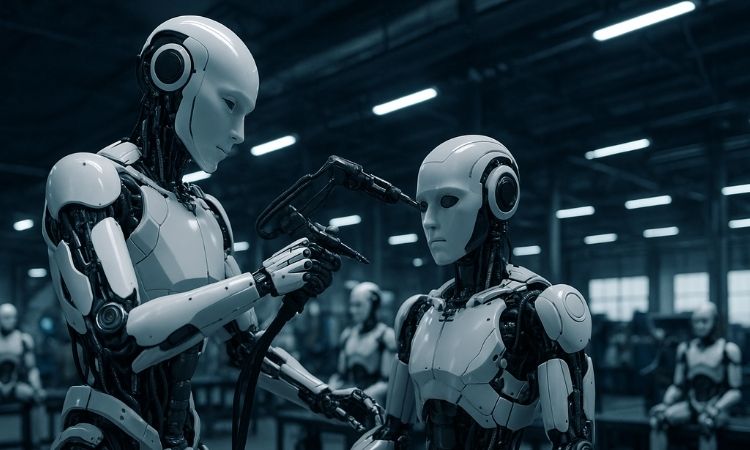
Altman has suggested that OpenAI could showcase its humanoid robot soon. This has raised interest in the company’s plans, especially as several technology firms are investing in robotics.
Still, there is an important difference between teasing a demonstration and announcing a commercial product. OpenAI has not provided a confirmed demo date, pricing, release schedule or information about when the robot might become available to the public.
The first demonstration, if announced, may offer a better idea of the robot’s design and capabilities.
How Humanoid Robots Could Change AI
AI chatbots can answer questions, write content and help users complete digital tasks. Humanoid robots could take AI into the physical world, allowing it to interact with objects and perform certain tasks in real environments.
Here is a quick look at the difference:
| AI chatbots | Humanoid robots |
|---|---|
| Work mainly through digital interfaces | Can interact with the physical world |
| Generate text and other digital content | May perform physical tasks |
| Usually need a screen or connected device | Could operate in homes or workplaces |
| Capabilities depend on software | Depend on AI, sensors, hardware and movement |
Building a useful humanoid robot is also challenging. It requires reliable movement, safety systems, hardware engineering and AI that can understand changing environments.
What Happens Next?
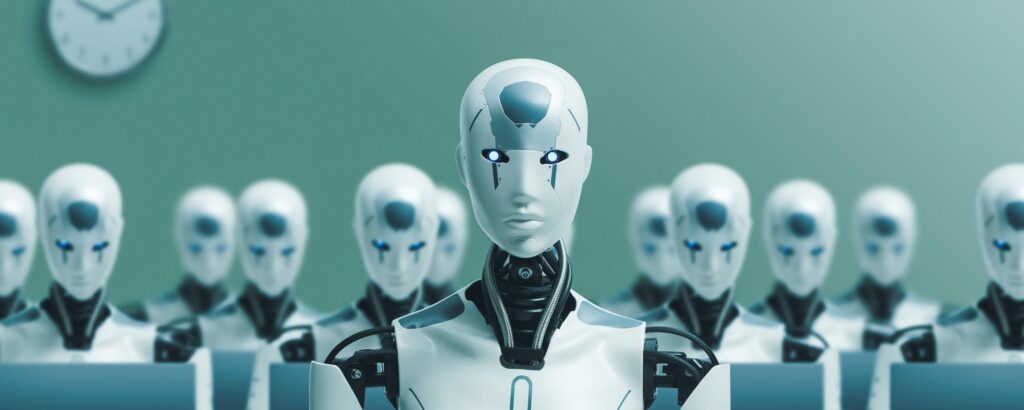
OpenAI’s robotics plans are still developing, and the upcoming demonstration could reveal how seriously the company intends to compete in this market.
For now, the biggest question is not just what the robot will look like, but what it will actually be able to do. Until OpenAI shares more details, its real-world abilities and launch timeline remain unconfirmed.
The move suggests that the future of AI may not stay on our screens. It could eventually walk into the room.