

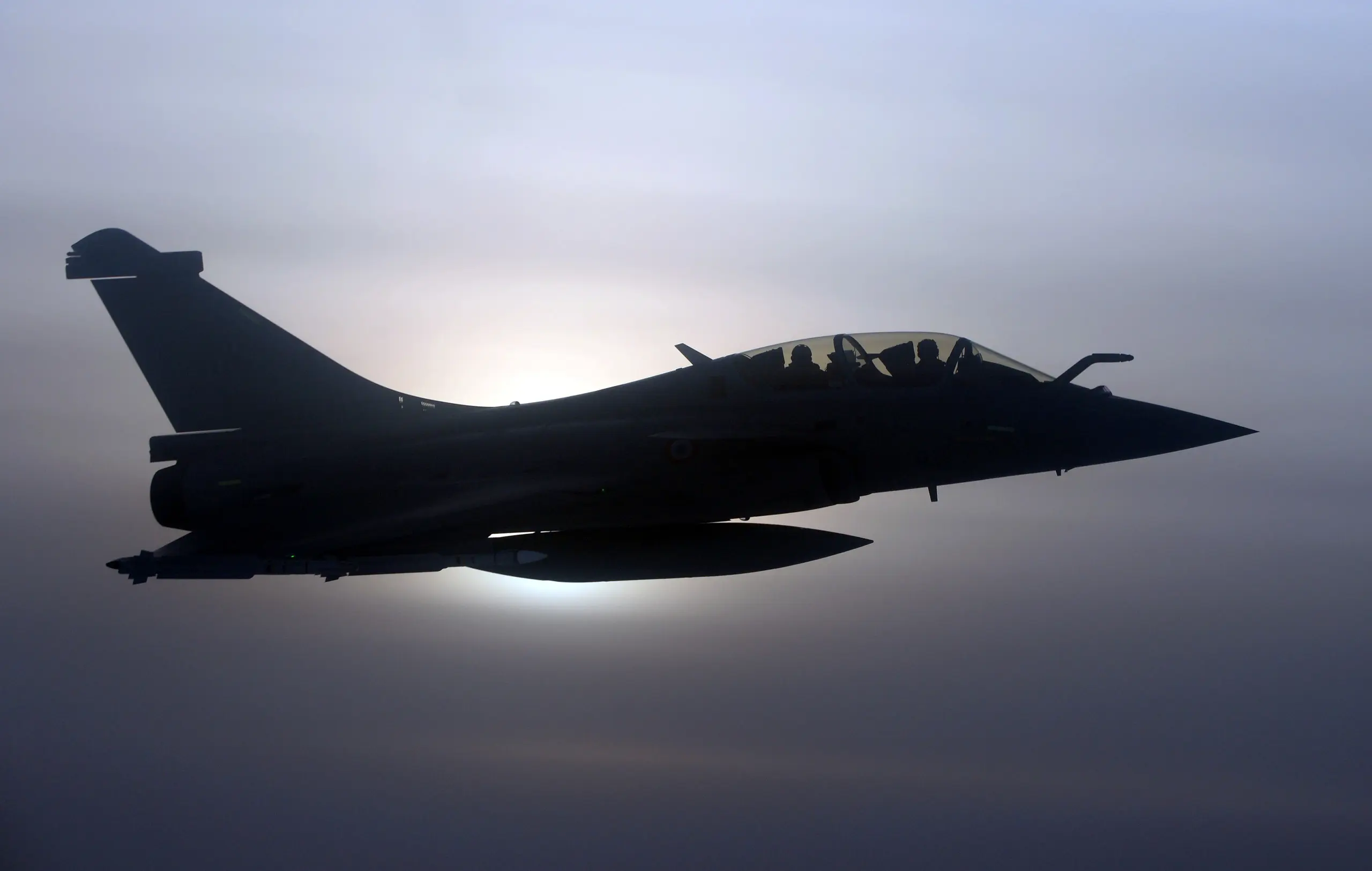
Tensions in Europe took another serious turn as NATO deployed armed fighter jets to intercept Russian military planes flying over the Baltic Sea. This event highlights the growing military activity in the region and shows how closely both sides are watching each other.
What Happened Over the Baltic Sea?
On April 21, NATO forces responded quickly when Russian aircraft were detected over international waters in the Baltic Sea. French Rafale fighter jets, based in Lithuania, were sent into the air along with aircraft from several European countries. Their mission was simple: identify and monitor the Russian planes.
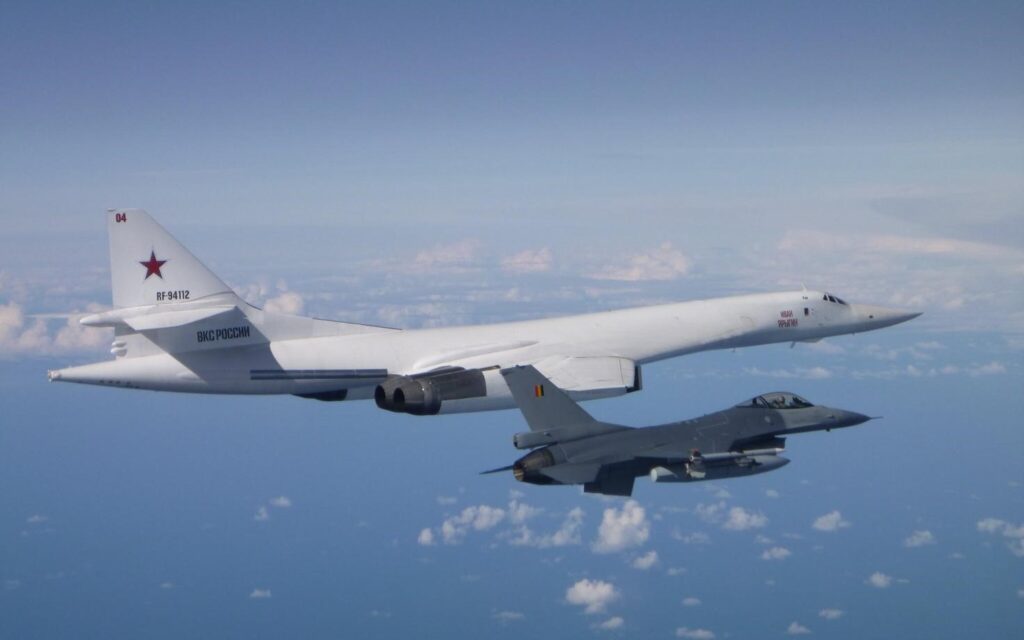
The Russian formation included two large Tu-22M3 strategic bombers, supported by around ten fighter jets such as SU-30s and SU-35s. These aircraft flew for more than four hours, according to official statements.
While Russia claimed the flight was planned and followed international rules, NATO viewed the situation differently. The alliance often raises concerns about Russian aircraft flying without proper communication or flight plans.
Why NATO Responds Quickly
NATO has a long-standing air policing mission in the Baltic region. Since countries like Lithuania, Latvia, and Estonia joined the alliance in 2004, NATO has been responsible for protecting their airspace.
Russian aircraft often fly close to NATO borders without using transponders or contacting air traffic control. This creates potential risks for both military and civilian flights. As a result, NATO jets are regularly scrambled to identify and track these aircraft.
Before the war in Ukraine, NATO was already intercepting Russian planes nearly 300 times a year. This shows that such encounters are not new, but they are becoming more frequent and more tense.
Quick Comparison: NATO vs Russian Air Operations
| Factor | NATO Response | Russian Flights |
|---|---|---|
| Purpose | Airspace protection | Strategic patrols |
| Communication | Active with air traffic control | Often limited or none |
| Flight Planning | Clearly filed | Sometimes missing |
| Frequency | Reactive (when needed) | Regular patrol missions |
| Risk Level | Controlled monitoring | Potential for misunderstanding |
What Makes This Situation Important?
This latest incident is not just about aircraft in the sky. It reflects a larger pattern of military activity and political tension in Europe. The Baltic Sea has become a key area where both NATO and Russia show their strength.
There have also been concerns about possible sabotage of underwater cables in the region. These issues add another layer of risk and make the situation more complex.
Life on Standby: How Fast NATO Reacts
The response from NATO forces is highly organized. Pilots remain on standby, fully suited and ready to take off within minutes. When an alert comes, they move quickly to their aircraft, start engines, and wait for final clearance.
This level of readiness ensures that any unidentified aircraft can be tracked almost immediately. It also shows how seriously NATO takes these situations.
Final Thoughts
The interception over the Baltic Sea is another reminder of the ongoing tension between NATO and Russia. While both sides claim to follow international rules, the lack of communication during flights increases the risk of accidents or misunderstandings.
As military activity continues in the region, such encounters are likely to happen again. The key concern now is whether these situations remain controlled or escalate into something more serious.