

Meta Description:
Explore how the Lumen metabolism tracker compares to traditional diet apps. Learn which method gives better real-time guidance for daily meal decisions, energy, and metabolism awareness.
Key Takeaway
Comparing the Lumen metabolism tracker to diet apps shows a key difference: Lumen uses real metabolic data to guide daily eating, while diet apps mainly track calories and macros. If you want personalized, real-time insight into how your body uses fuel, Lumen can make everyday eating smarter and more consistent.
Introduction
Diet apps and meal trackers are everywhere. They count calories, log macros, and let you set goals. But many people end up frustrated, still unsure why they feel low energy, why fat loss stalls, or why a meal that worked yesterday doesn’t feel right today.
The Lumen metabolism tracker takes a different approach. Instead of logging every meal, it measures your metabolism through your breath and tells you what your body is actually doing that day. This changes how you plan meals, choose foods, and understand your energy needs.
In this post, we’ll compare Lumen to traditional diet apps and help you decide which makes smarter eating easier.
What Diet Apps Usually Do
Most diet apps let you:
- Track calories you eat each day
- Log your protein, carbohydrate, and fat intake
- Set weight loss or maintenance goals
- View weekly or monthly trends
They are helpful when you want to be aware of what you eat. But they have limits.
They don’t tell you how your body is using those calories in real time. Two people can eat the same meal and have different metabolic responses, but diet apps won’t show this.
This is where the comparison with Lumen becomes meaningful.
What Lumen Metabolism Tracker Does

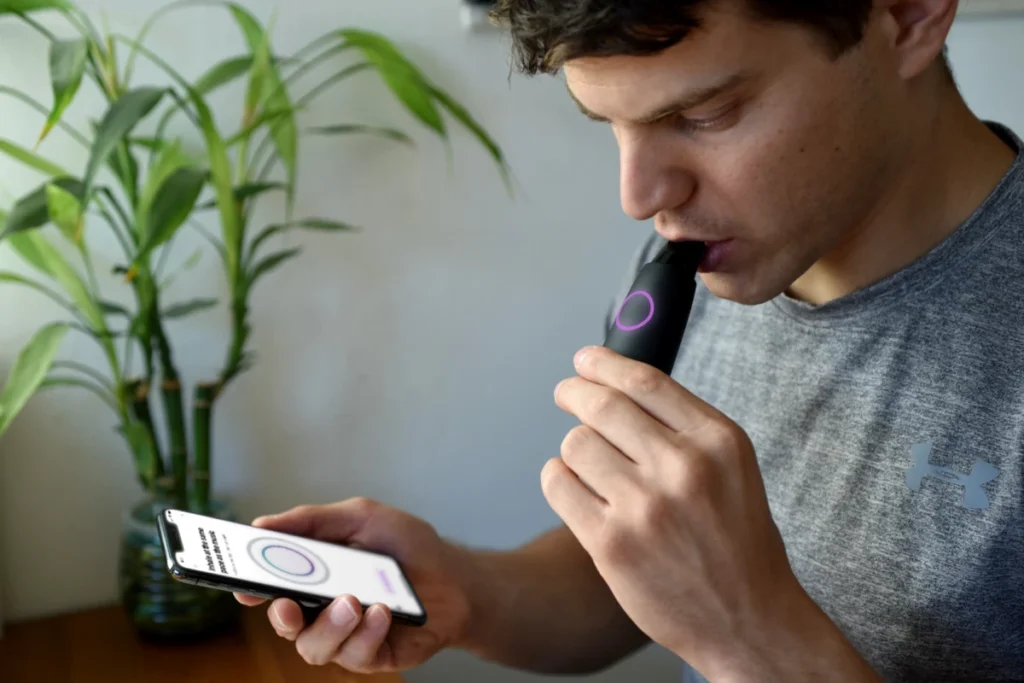
The Lumen metabolism tracker reads your breath to estimate whether your body is burning carbs or fat. It then gives daily guidance based on your metabolic state.
Instead of logging every meal or guessing how you feel, Lumen tells you:
- What fuel your body is using now
- Whether to favor low-carb or balanced meals today
- How your habits yesterday affected your metabolism today
This feedback comes from real measurements, not assumptions.
How Lumen and Diet Apps Compare
Here’s a clear table to show the key differences:
| Feature | Lumen Metabolism Tracker | Diet Apps |
|---|---|---|
| Real-time metabolic feedback | ✔️ | ❌ |
| Breath-based measurement | ✔️ | ❌ |
| Food logging | ⚠️ Partial (within app) | ✔️ |
| Daily personalized eating guidance | ✔️ | ⚠️ Limited |
| Focus on calories/macros | ⚠️ Secondary | ✔️ Primary |
| Helps understand energy use | ✔️ | ⚠️ |
| Meal suggestions based on metabolism | ✔️ | ❌ |
This comparison shows that while diet apps give useful logs, Lumen adds physiological insight that diet apps cannot provide on their own.
Which Is Better for Daily Meal Decisions?
Diet Apps
Diet apps are useful when you want to:
- Track food intake over time
- Monitor calories and macro targets
- Plan meals based on nutrient goals
They work well if you already have a solid understanding of nutrition and simply want to record intake.
Lumen Metabolism Tracker
Lumen shines when you want to:
- Know what your body needs today
- Adjust meals based on fuel use
- Understand how workouts, sleep, and stress impact your metabolism
- Make eating decisions without logging every meal
In short: diet apps tell you what you ate. Lumen tells you what your body is doing with what you ate.
Why Real-Time Data Matters
For most people, eating well isn’t just about calories. It’s about fueling your body at the right time and in the right way.
Imagine two mornings:
- On Monday, your body is in fat-burn mode. A lower-carb breakfast might keep your energy steady.
- On Wednesday, your body is in carb-burn mode. A balanced breakfast with carbs supports your training.
Traditional diet apps can’t tell you this. Lumen can.
This kind of real-time feedback helps you plan smarter and avoid energy crashes, random snacking, and confusion about meal timing.
Pros and Considerations
Pros of Lumen
- Uses real metabolic data
- Offers personalized daily guidance
- Helps you understand your body, not just your food
- Encourages mindful eating choices
- Simple one-minute breath tests
Pros of Diet Apps
- Detailed food logs
- Macro and calorie insights
- Progress charts over time
- Easy meal database
Considerations
- Lumen requires consistent daily use for patterns to emerge
- Diet apps require manual logging of most foods
- Lumen doesn’t replace professional nutrition advice
- Diet apps can feel tedious if you eat out often
Who Should Use Which?
Choose Diet Apps If:
- You want detailed food tracking
- You’re managing strict dietary goals
- You like logging meals and monitoring macros
Choose Lumen If:
- You want real-time insight into how your body burns fuel
- You want personalized meal suggestions each day
- You’re tired of guessing how your body feels
- You want to tie your nutrition to your energy and activity
You can also use both together: track food with an app while using Lumen to understand how your nutrition affects your metabolism each day.
Daily Habits That Benefit From Real Data

Here are simple habits where Lumen adds value:
- Morning checks before eating
Know your baseline before breakfast. - Pre-workout readings
Decide whether you need a carb snack. - Post-meal feedback
See how a meal affects your fuel use. - Tracking trends over weeks
Patterns emerge with daily readings.
These habits make eating smarter—not harder.
Real Success Stories (Everyday Scenarios)
Scenario 1: Better Energy All Day
Sarah used diet apps for months but still felt tired midday. After using Lumen, she adjusted her breakfast based on her metabolic state and noticed steadier energy without random snacking.
Scenario 2: Smarter Workout Fueling
Tom wasn’t sure if he should eat carbs before workouts. With Lumen, he learned when his body was in fat or carb burn, and chose meals that fueled his training better.
These are simple shifts, but they make daily eating more effective.
Final Verdict: What’s Better?
When deciding between the Lumen metabolism tracker and diet apps, the answer isn’t “one is perfect for everyone.” The best choice depends on your goals.
- If you want real-time insight into your metabolism, Lumen offers something diet apps can’t.
- If you want detailed food logging and macro tracking, diet apps remain useful.
- If you want smarter daily eating decisions based on real data, Lumen gives a clear advantage.
Many people find that using both together provides the most complete picture: diet apps track intake while Lumen shows how your body uses it.
FAQ
1. Do I need a diet app if I use Lumen?
You can, but it’s optional. Lumen gives metabolic insight that adds value whether you use an app or not.
2. Can Lumen replace all nutrition tracking tools?
No. Lumen offers metabolic data, while diet apps give detailed intake logs. Each has its role.
3. How often should I use Lumen?
Daily use, especially in the morning and before workouts, gives the clearest patterns.
4. Does Lumen tell me exactly what to eat?
It provides general guidance based on your metabolic state, not specific meal plans.
5. Is Lumen useful for beginners?
Yes. It’s simple and doesn’t require prior nutrition knowledge.
Call-to-Action
Check your metabolism with Lumen today and start making smarter food choices.