
Over the last five decades, Apple has grown from a small technology startup into one of the most powerful companies in the world. Today, more than 2.5 billion people use Apple products, showing how deeply the company has influenced modern life.
Apple’s success did not happen overnight. It came from bold ideas, strong leadership, and a focus on creating products that are simple, powerful, and beautifully designed.
The Early Days of Apple
The story of Apple began in the early 1970s when two young innovators, Steve Jobs and Steve Wozniak, met in California. At that time, computers were large and complicated machines used mainly by experts.
In 1975, Wozniak built a basic computer made mostly from electronic components. Jobs believed the invention could become a real business. Together, they decided to sell the computer, and that decision led to the creation of Apple.
Their first computer sold around 150 units, but their second product, the Apple II, became a major success. It sold millions and helped introduce personal computers to homes and schools.
The Macintosh Revolution
In 1984, Apple launched the Macintosh, a computer that changed how people interacted with technology. Unlike earlier systems that required complex commands, the Macintosh used a graphical interface with icons and menus.
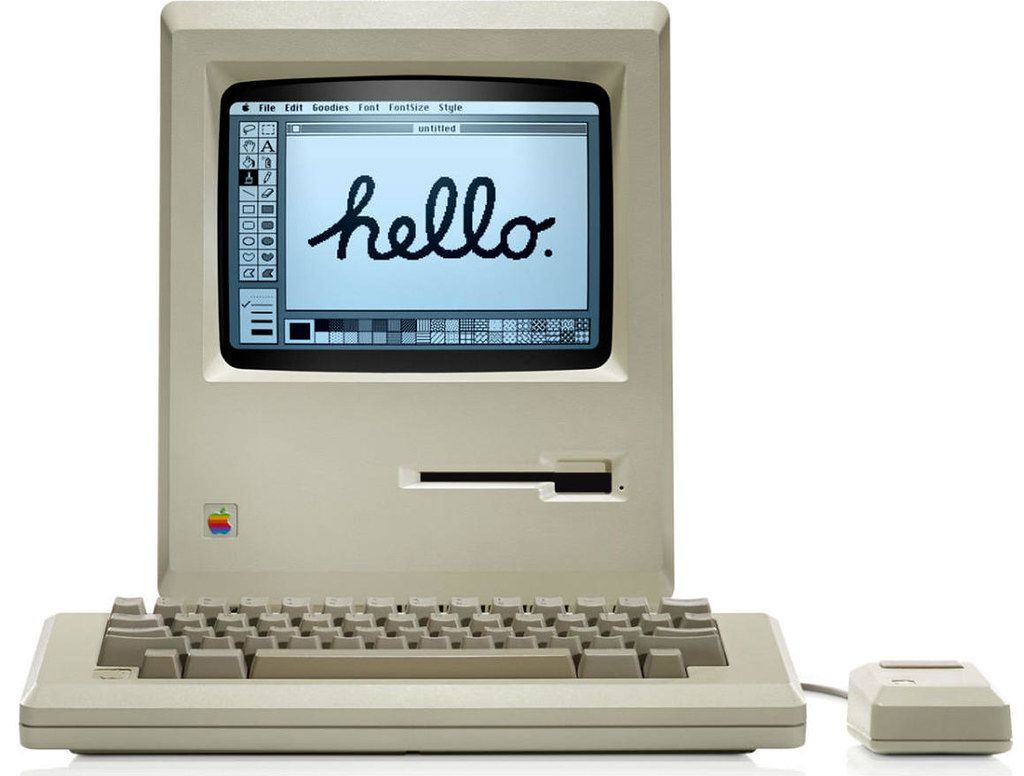
It also introduced the mouse, which made navigation simple and intuitive. This innovation helped bring computers into everyday life and made them accessible to a much larger audience.
The Macintosh proved that technology could be both powerful and easy to use.
Apple’s Difficult Years
Despite its early achievements, Apple faced serious challenges in the 1990s. After a leadership conflict with CEO John Sculley, Steve Jobs left the company.
Without its visionary leader, Apple began to lose direction. Sales slowed, the company struggled financially, and many experts believed Apple might disappear.
However, everything changed in 1997 when Steve Jobs returned. He reorganized the company, simplified the product lineup, and focused again on innovation and design.
This bold transformation helped bring Apple back to life.
Game-Changing Apple Products

After Jobs returned, Apple introduced several products that reshaped entire industries.
| Product | Launch Year | Global Impact |
|---|---|---|
| iMac | 1998 | Revived Apple with a modern and colorful computer design |
| iPod | 2001 | Revolutionized digital music and portable media |
| iPhone | 2007 | Redefined smartphones and mobile computing |
| iPad | 2010 | Popularized tablet devices worldwide |
Among these products, the iPhone had the biggest impact. It combined a phone, music player, and internet device into a single touchscreen product.
The iPhone also helped create the modern app economy, enabling services such as ride-sharing, digital payments, and food delivery.
Apple’s Growth in the Modern Era
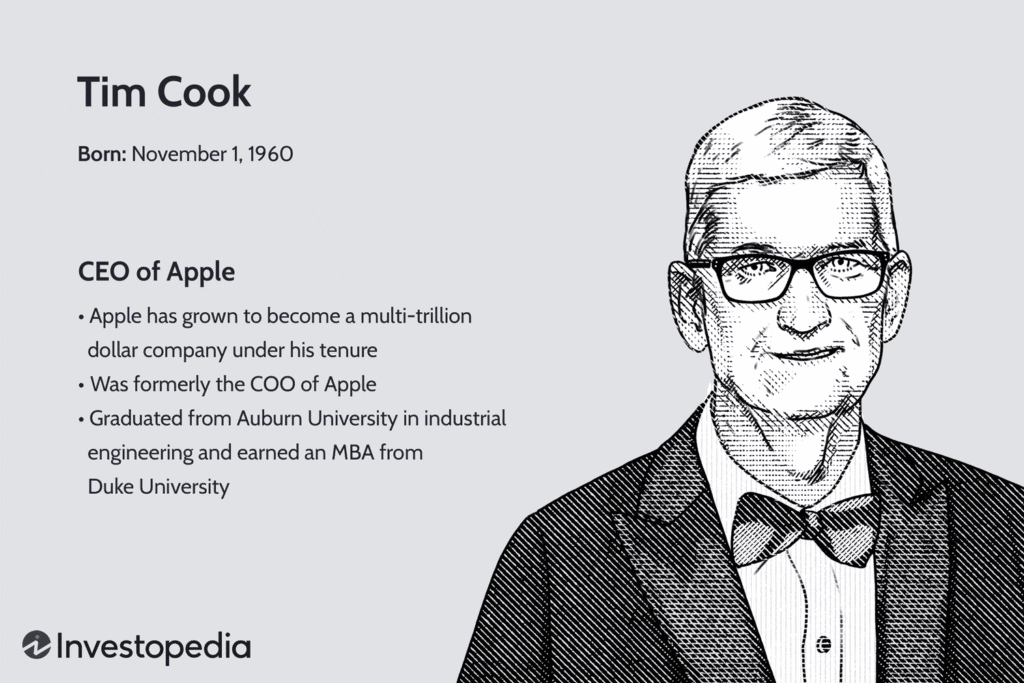
After Steve Jobs passed away in 2011, Tim Cook became Apple’s CEO. Under his leadership, the company expanded its focus beyond hardware.
Apple invested heavily in services such as Apple Music, Apple TV, and Apple Pay, which now generate more than $100 billion annually.
Cook also pushed the company toward sustainability and global responsibility while continuing to develop new technologies.
Apple’s Lasting Impact on the World
In 50 years, Apple has transformed the way people work, communicate, and create. From personal computers to smartphones and digital services, the company has played a key role in shaping modern technology.
Apple’s journey shows how powerful innovation can change industries and influence billions of lives.
As the company looks toward the future, its mission remains the same: create technology that inspires people and helps them do extraordinary things.