

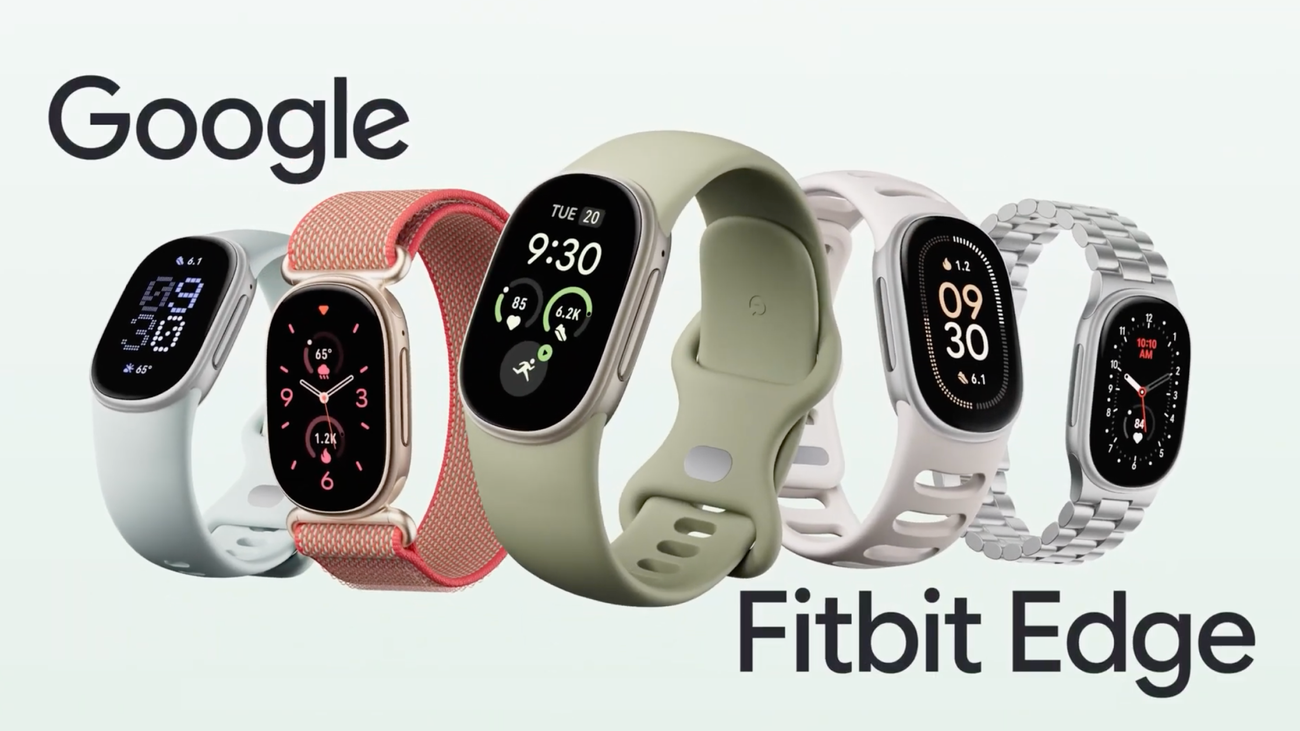
Google has introduced the Google Fitbit Edge tracker, a new wearable designed to help people understand their health and fitness more easily. Priced at $180, the device sits between the screenless Fitbit Air and the more advanced Pixel Watch in Google’s wearable lineup.
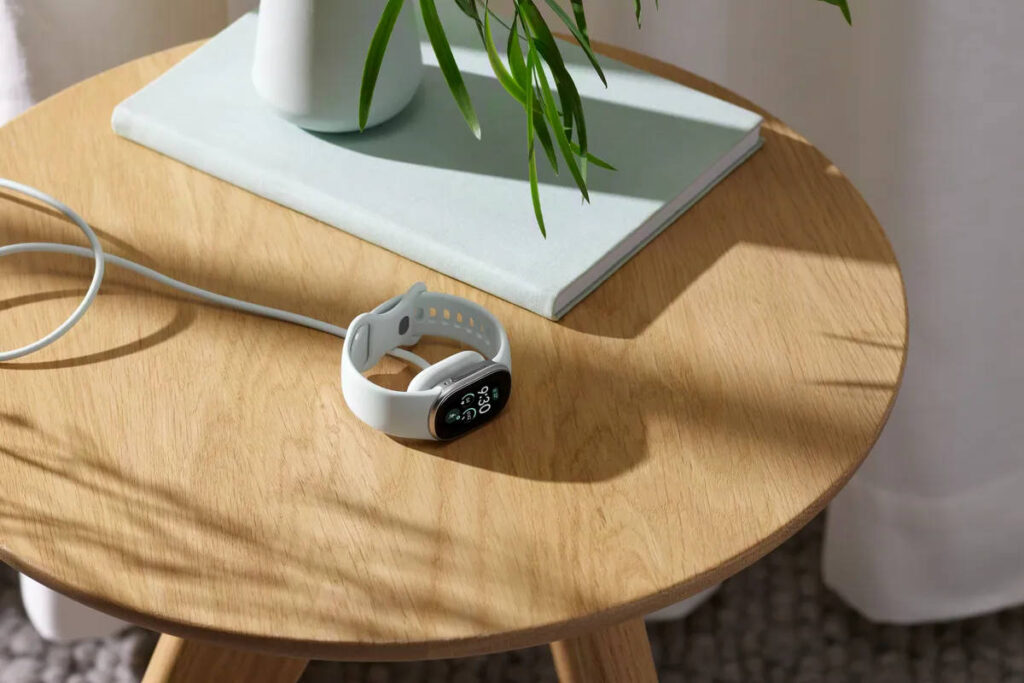
The new tracker combines fitness tools, health sensors, and AI-powered insights in a slim design. Google says it can offer up to seven days of battery life on a single charge, making it useful for people who want to monitor their daily activity without charging their device every night.
Google Fitbit Edge Tracker: Key Features
The Fitbit Edge includes several features designed to make health tracking more convenient. It can automatically detect workouts, measure altitude with an altimeter, and monitor health trends over time.
One of its main highlights is proactive health monitoring. The tracker is designed to identify changes in blood pressure and insulin resistance trends using physiological data. These features are intended to help users notice patterns that may deserve attention.
However, these trend estimates should not be treated as medical diagnoses or replacements for professional healthcare advice.
Fitbit Edge Price and Feature Comparison
The Fitbit Edge is positioned between Google’s simpler fitness tracker and its smartwatch. Here is a quick comparison based on the product information provided.
| Feature | Fitbit Edge | Fitbit Air | Pixel Watch |
|---|---|---|---|
| Price | $180 | Not specified | Varies by model |
| Display | Not specified | Screenless | Smartwatch display |
| Workout tracking | Automatic detection | Fitness tracking | Fitness tracking |
| Advanced health insights | Google Health features with Premium | Depends on supported features | Health Guardian tools on supported devices |
| Battery life | Up to 7 days | Not specified | Varies by model |
The Fitbit Edge may appeal to users who want more advanced health features without choosing a full smartwatch. Google has not specified every detail needed for a complete feature-by-feature comparison.
Google Health Adds AI-Powered Insights
The Fitbit Edge also supports Google’s wider health platform. In May 2026, Google introduced the Google Health app, Fitbit Air, and Health Coach, an AI-powered service designed to combine fitness, sleep, and wellness guidance.
In August, Google introduced Health Guardian, which uses wearable sensors and AI to track changes in health trends over time. On the Fitbit Edge, Health Coach and Health Guardian features require a Google Health Premium subscription.
Google is also connecting its health platform with services such as Flo, Abbott’s Lingo glucose monitor, MyFitnessPal, and Function Health. These integrations aim to bring information about nutrition, glucose, activity, and clinical test results into a more unified experience. Availability depends on the service and region.
What the Fitbit Edge Means for Wearable Technology
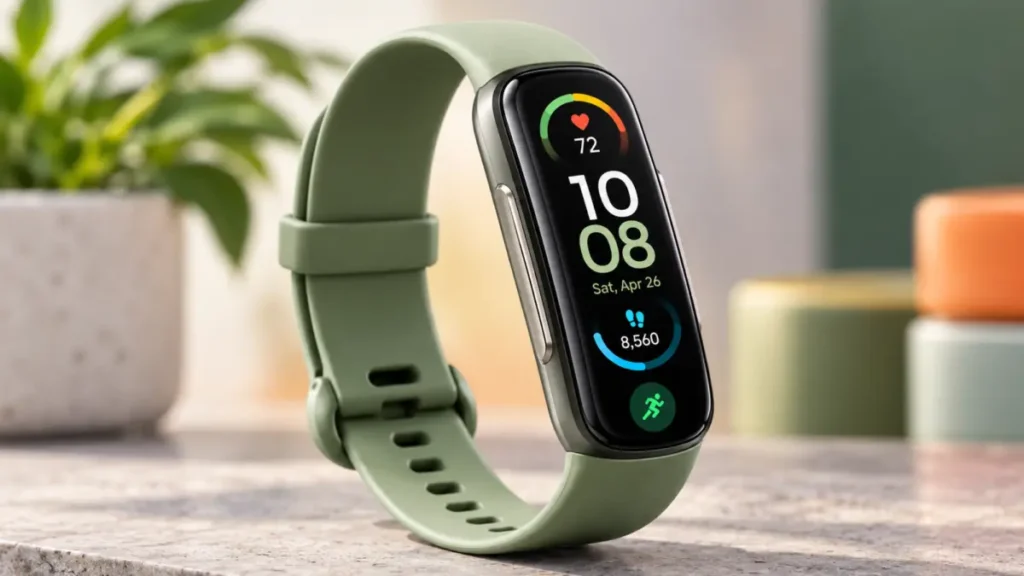
Google’s latest tracker reflects a wider shift in wearable technology. Instead of only counting steps and recording workouts, health devices are increasingly designed to identify patterns and provide personalized guidance.
Google acquired Fitbit in 2021 and has continued to expand its health-focused products and services. With the Fitbit Edge, the company is bringing fitness tracking and AI-based health insights together in one device.
For consumers, the main attraction is convenience: a wearable that tracks activity while helping users understand longer-term trends. The value will depend on the accuracy of its insights, the features available through the subscription, and how well it fits into everyday life.
Suggested internal links: Google Health app features, best fitness trackers in 2026, Fitbit wearable comparison, AI-powered health monitoring.