

Google is preparing to improve the app experience on foldable smartphones with a new set of Google Play rules. Starting in April 2027, developers will have to make sure their apps work properly on large foldable displays if they want to publish updates through the Play Store.
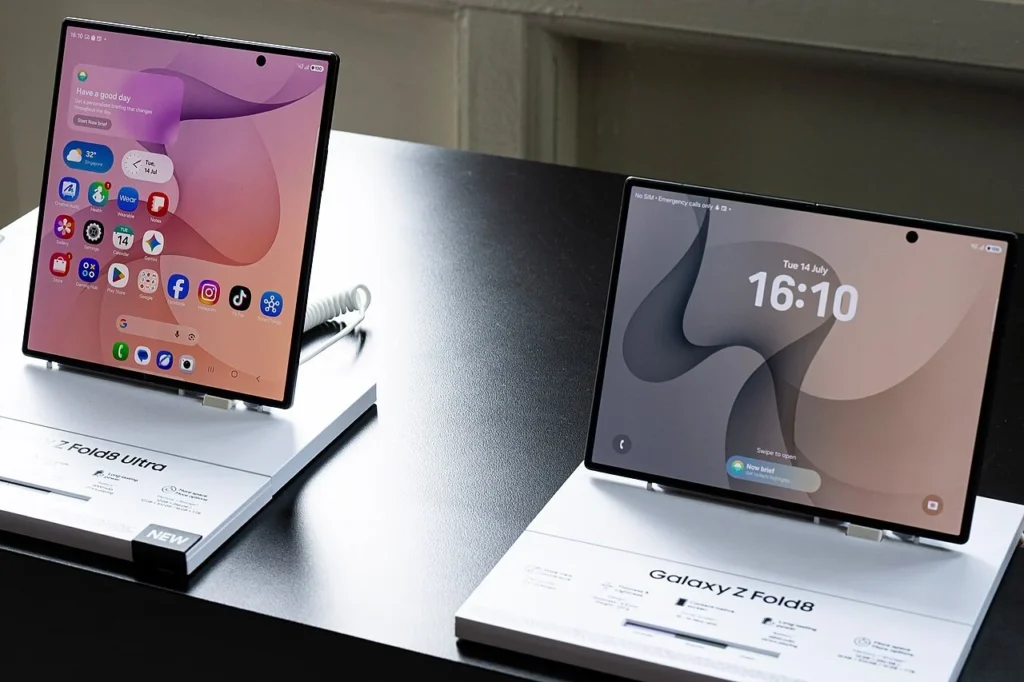
The new requirements could make a noticeable difference for upcoming devices such as the Samsung Galaxy Z Fold 8, Galaxy Z Fold 8 Ultra, and Google Pixel 11 Pro Fold.
The main goal is simple: apps should use the entire inner screen instead of showing black bars or leaving unused space. They should also maintain their current activity when users fold, unfold, or rotate their devices.
Google Play Foldable App Requirements Explained
Google is introducing a new Tier 3 baseline for apps running on foldable and large-screen Android devices.
Under these rules, apps must adjust to different screen sizes and maintain their state when the device changes its display configuration.
For example, if someone is reading an article and unfolds their phone, the app should keep the same scrolling position. Similarly, typed text and video playback should continue without unnecessary interruptions.
Apps that fail to meet these requirements will not be allowed to publish new updates on Google Play after the April 2027 deadline. However, existing versions of apps that are no longer updated will remain available for download.
Google may also reduce the visibility of apps that do not meet its standards.
Google Sets Different Deadlines for Apps and Games
Google is giving game developers additional time to meet the new requirements. While regular apps must comply by April 2027, games have until August 2027.
| Requirement | Regular Apps | Games |
|---|---|---|
| Deadline | April 2027 | August 2027 |
| Full-screen support | Required | Required |
| Maintain app state | Required | Required |
| Touch control alignment | Not specifically listed | Required |
| Updates blocked if non-compliant | Yes | Yes |
Games must also ensure that touch controls remain correctly positioned when users fold or unfold their devices.
Developers can start adding foldable device screenshots to their Google Play listings now. These screenshots will become mandatory from April 2027.
Galaxy Z Fold 8 and Pixel 11 Pro Fold Users Could Benefit
These changes are particularly important for people planning to buy premium foldable smartphones.
Devices such as the Galaxy Z Fold 8 and Pixel 11 Pro Fold are designed to offer a larger screen when unfolded. However, poorly optimized apps can make that extra display space less useful.
With the new rules, users can expect more apps to support full-screen layouts, smoother transitions, and better multitasking experiences.
Google says developers already have tools to optimize their apps for more than 580 million large-screen devices, including tablets and Chromebooks.
Google Is Making App Optimization a Priority
Google has previously encouraged developers to improve large-screen app support through Play Store rankings and optimization badges.
The new Tier 3 requirements take this approach further by restricting updates for apps that fail to meet the baseline.
Google will also require new apps and updates to target Android 17 (API 37) starting in August 2027. This will further encourage developers to support flexible screen sizes and orientations.
Final Thoughts
The new Google Play foldable app requirements represent an important step toward improving the Android foldable experience.
For users, the changes should mean fewer black bars, better screen transitions, and more reliable apps. Developers will need to prepare before the 2027 deadlines to continue publishing updates.
As foldable smartphones become more popular, proper app optimization will be just as important as better hardware. Google’s latest move could help make large-screen Android devices more useful for everyday tasks.