

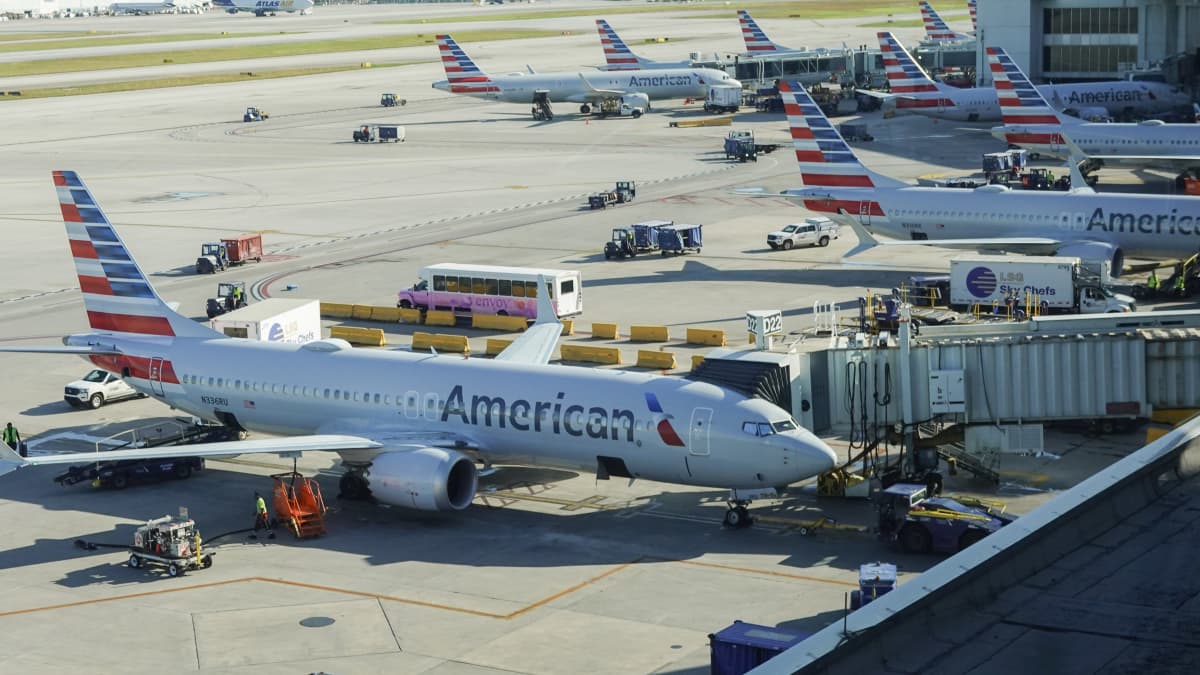
A routine flight from New York to Tokyo took an unexpected turn on September 23 when American Airlines Flight 167 was diverted to Los Angeles International Airport (LAX). The flight had already spent several hours in the air when the crew decided not to continue across the Pacific Ocean.
The reason behind the decision was a technical malfunction detected while the aircraft was approaching the Alaska region. Instead of continuing toward Japan, the pilot made a sharp turn back toward the United States.
What Happened to American Airlines Flight 167?
American Airlines Flight 167 normally operates between John F. Kennedy International Airport (JFK) in New York and Tokyo Haneda Airport (HND). It is a daily long-haul service covering around 6,757 miles, with a scheduled flight time of about 14 hours and 25 minutes.
On September 23, the flight left New York at around 10:45 a.m. After roughly five hours in the air, the aircraft was near the Alaska border when the crew changed its course.
The aircraft could have continued over the Pacific, but the technical problem made that option less practical. The pilot instead turned the aircraft back toward the U.S.
Why Did the Flight Divert to LAX?
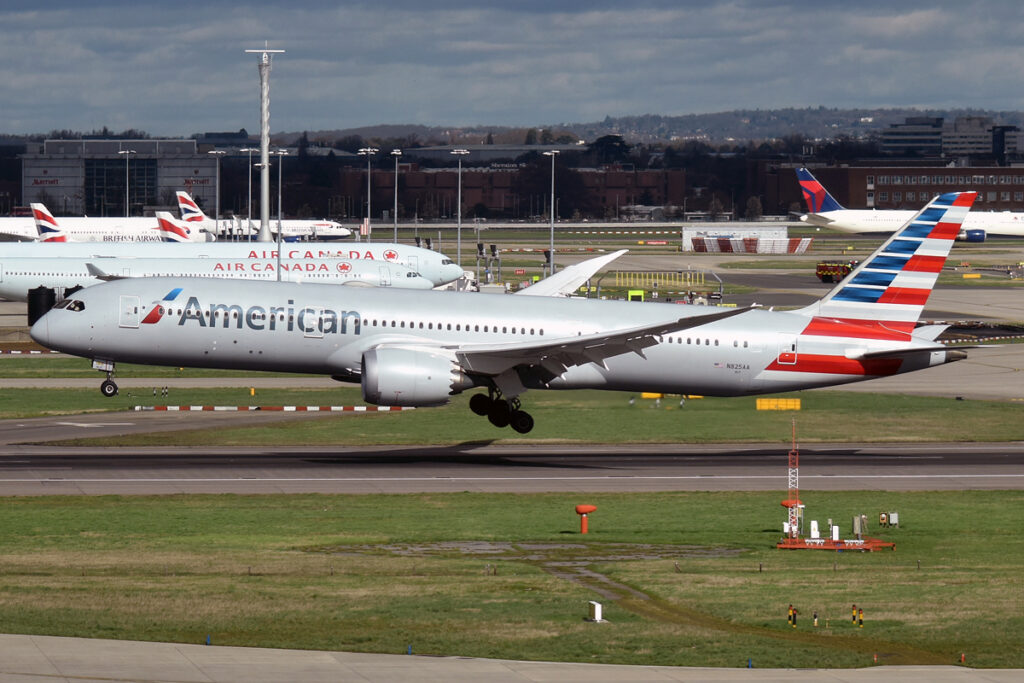
Interestingly, Los Angeles was not the closest possible airport. Vancouver and Seattle were also potential diversion options.
However, LAX offered better options for handling a large number of passengers and arranging another aircraft for the remaining journey to Tokyo. This appears to have been an important factor in the decision.
The aircraft eventually landed safely at LAX shortly after 5 p.m. Pacific Time, after spending more than 10 hours in the air.
| Flight Detail | Information |
|---|---|
| Flight | American Airlines 167 |
| Route | New York to Tokyo |
| Departure | September 23, 2026 |
| Original Destination | Tokyo Haneda |
| Diversion Airport | Los Angeles International Airport |
| Main Reason | Technical malfunction |
| Approx. Distance | 6,757 miles |
| Scheduled Flight Time | About 14 hours 25 minutes |
What Happened to the Passengers?
After landing at LAX, passengers were accommodated while the airline dealt with the situation. The aircraft was taken for a maintenance inspection to identify and resolve the technical problem.
The timing of the diversion was also important. The aircraft still had many hours of flying ahead of it before reaching Tokyo. Continuing across the Pacific with a known technical issue would have created a different set of safety concerns.
American Airlines planned to continue the affected passengers’ journey to Tokyo Haneda on the afternoon of September 24.
Why Such Diversions Matter on Long Flights
Long-haul flights require careful decisions when a technical problem appears far from major airports. A flight may sometimes turn back even when the aircraft is still capable of flying.
In the case of American Airlines Flight 167, the crew chose to return toward the U.S. rather than spend several more hours over the Pacific. While the diversion added significant time to the journey, the aircraft landed safely and the airline began inspecting it at LAX.
For passengers, what started as a normal New York-to-Tokyo trip became a much longer journey, with Los Angeles unexpectedly becoming the middle stop.