
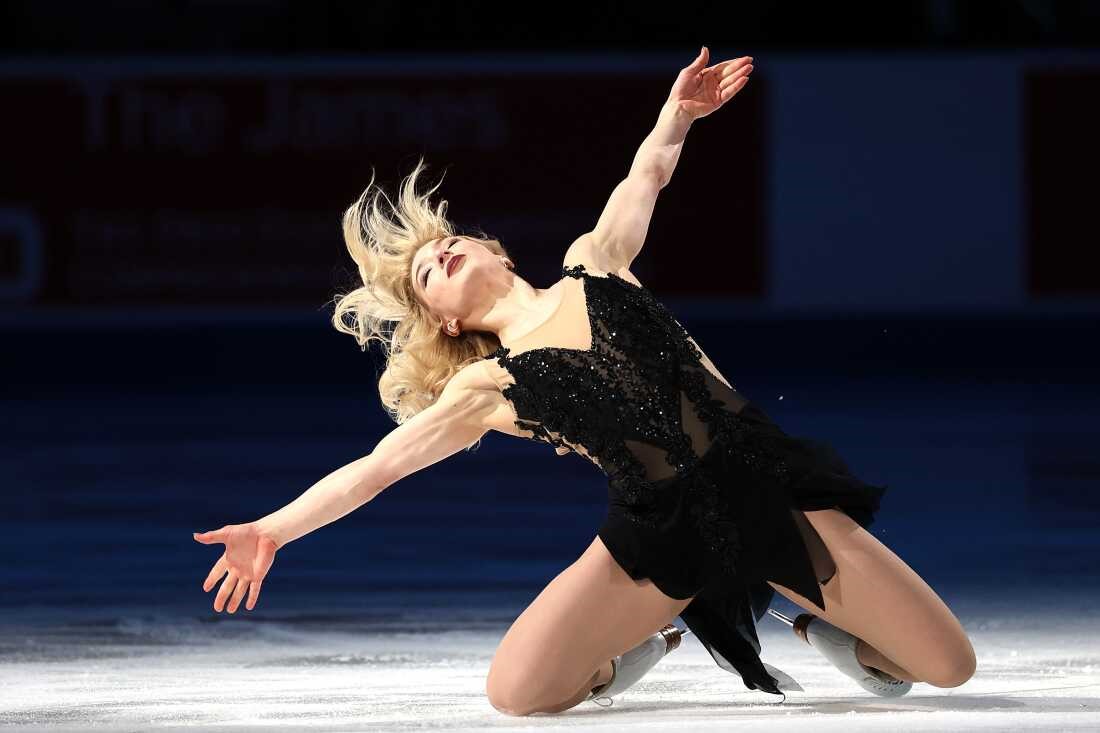
The women’s figure skating competition at the 2026 Milan Cortina Winter Olympics opened with high expectations for Team USA. After months of preparation and strong international results, the American skaters arrived in Milan carrying hopes of a long-awaited individual medal. However, the short program delivered a challenging start that left the U.S. women trailing more than expected.
While all three American skaters successfully qualified for the free skate, their placements after the opening night told a story of missed opportunities and rising pressure. Only two finished inside the top ten, making the final skate even more important.
Big Expectations on the Olympic Stage
The U.S. women entered the short program with momentum and confidence. Many fans viewed this group as the country’s best chance in nearly twenty years to reach the podium in women’s figure skating. The spotlight, however, can be unforgiving at the Olympics, where even small errors carry heavy consequences.
As the competition unfolded, it became clear that the night would test not only technical skill but also mental strength.
Alysa Liu Delivers Under Pressure
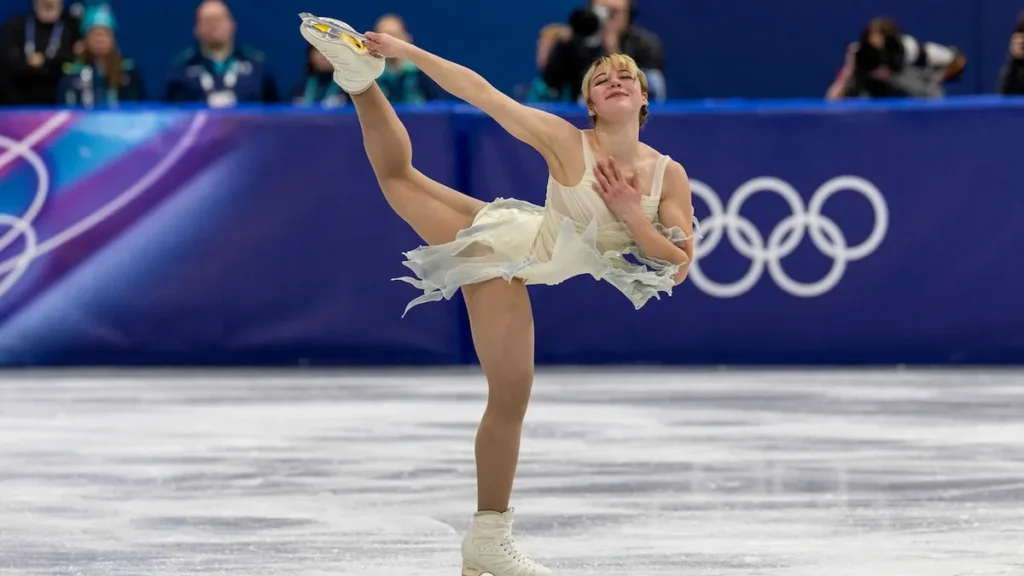
Among the three Americans, Alysa Liu produced the strongest result. Skating late in the evening, she delivered a confident and expressive routine that earned her a season-best score. Her performance placed her third overall after the short program, behind two skaters from Japan.
Liu’s result keeps her firmly in medal contention. With the free skate still to come, she remains the leading U.S. hope and a serious challenger for the podium.
Isabeau Levito Holds Her Ground
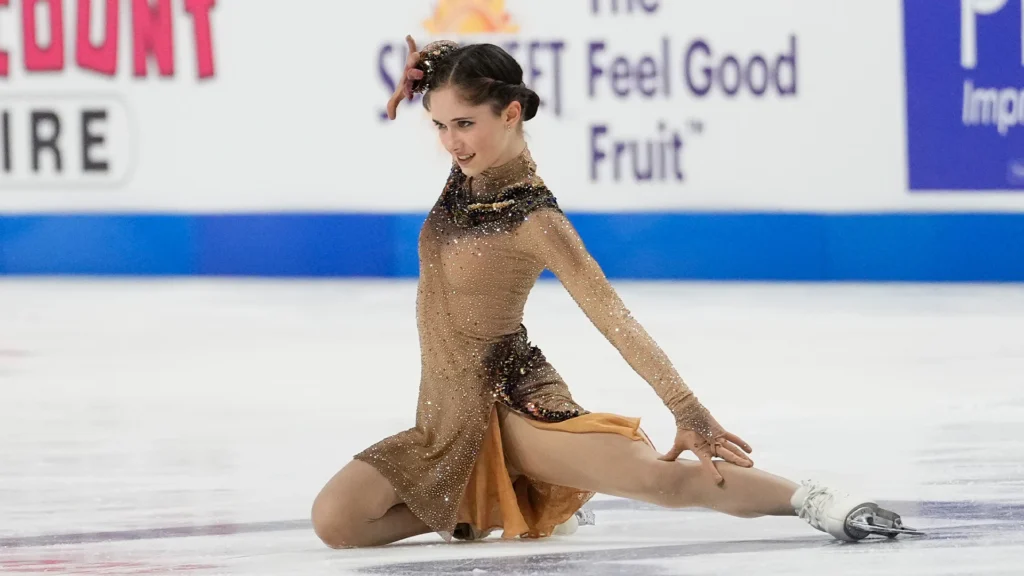
At just 18 years old, Isabeau Levito showed maturity and composure on the Olympic ice. Her elegant routine briefly placed her among the top skaters before later performances pushed her down the standings. She finished the night in eighth place.
While not ideal, Levito’s position leaves room to move up. A clean free skate could allow her to climb the rankings and finish the competition on a strong note.
Amber Glenn’s Emotional Olympic Debut
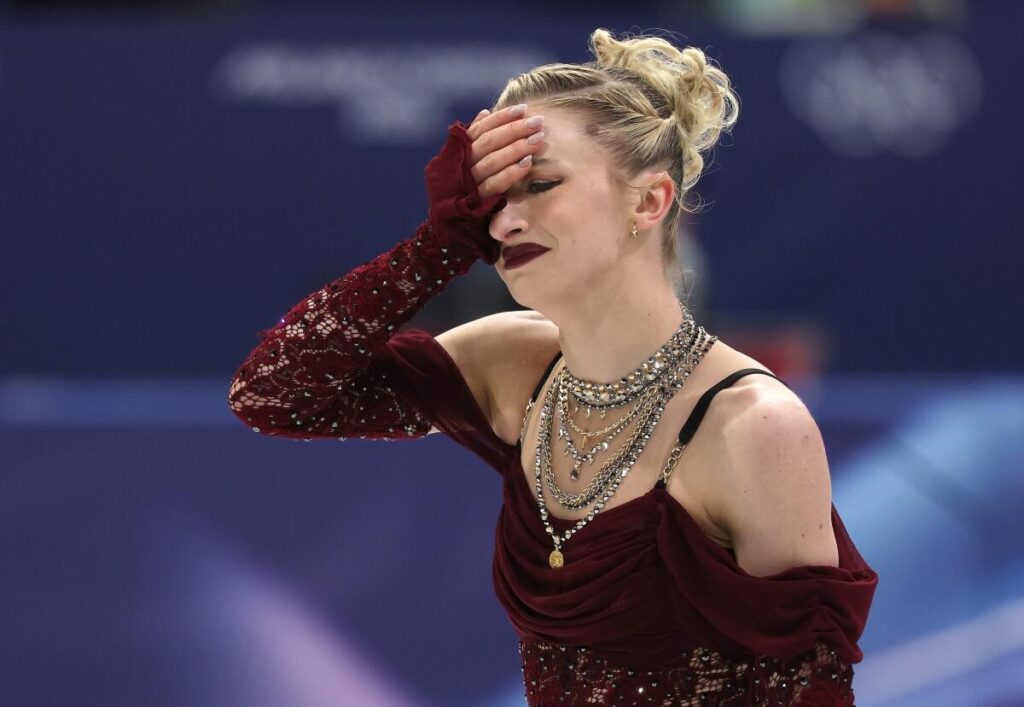
The most emotional moment of the night belonged to Amber Glenn, a three-time U.S. champion competing in her first Olympics at age 26. Glenn opened her program with a clean triple axel, one of the most difficult jumps in women’s skating and a rare sight at the Olympics.
However, a mistake on her final jump proved costly. Landing a double loop instead of the required triple lowered her score significantly. Despite an otherwise solid routine, Glenn finished the short program in 13th place, visibly disappointed as she left the ice.
U.S. Results After the Short Program
| Skater Name | Short Program Rank | Key Performance Note |
|---|---|---|
| Alysa Liu | 3rd | Season-best score |
| Isabeau Levito | 8th | Clean and composed skate |
| Amber Glenn | 13th | Strong opening, late error |
Why the Story Is Not Over Yet
The free skate accounts for half of the total score, meaning the standings can still change dramatically. Skaters inside the top ten, like Liu and Levito, remain within striking distance of higher placements with strong performances.
While the short program was a tough start for the U.S. women, it was not a final verdict. With one major skate remaining, the opportunity to rebound still exists. The pressure is higher now, but so is the chance to turn an early setback into a memorable Olympic comeback.