

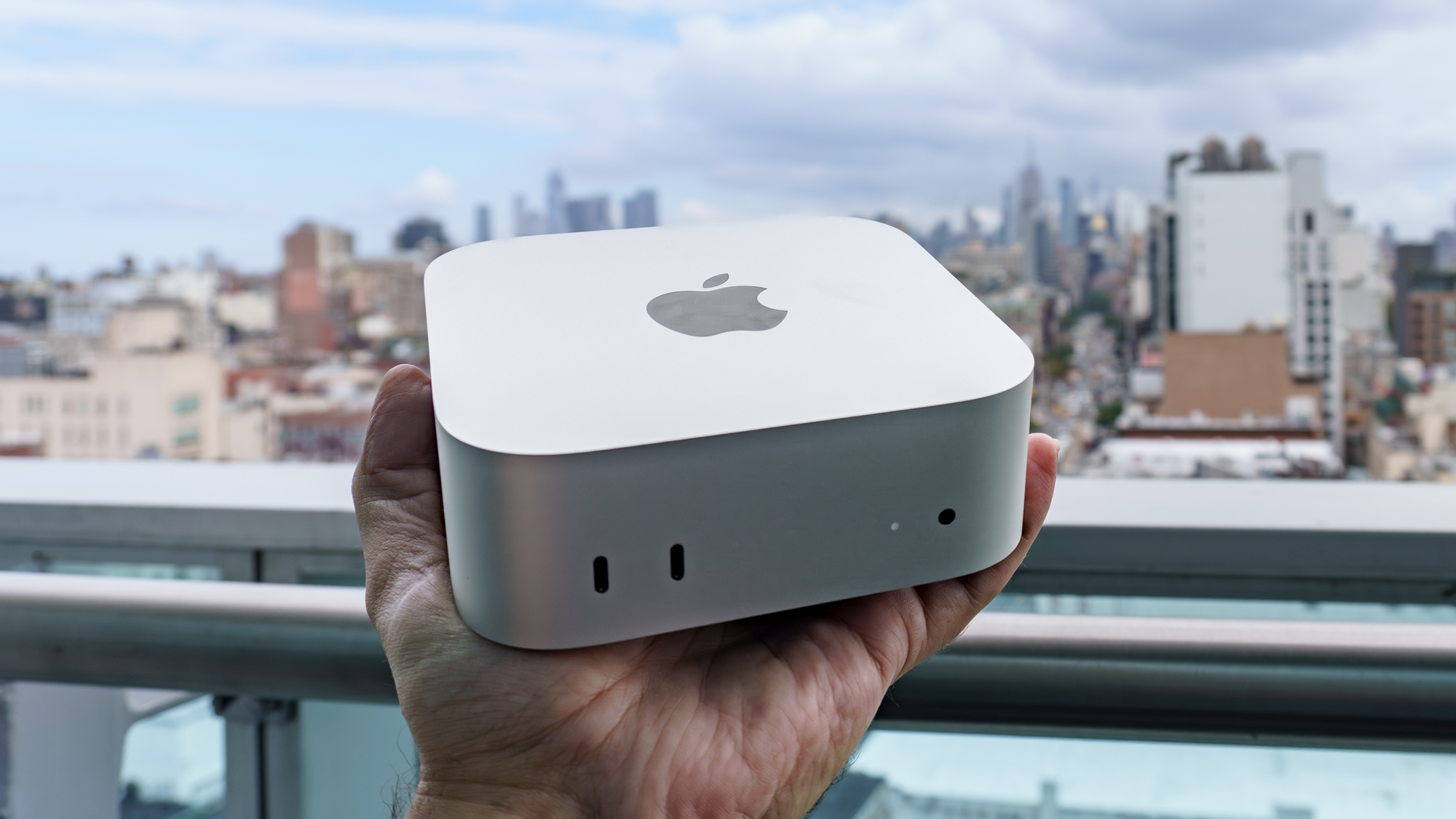
Apple’s M6 chip brings several important improvements in processor design, graphics performance, and artificial intelligence. Built using TSMC’s new 2nm manufacturing process, it offers more processing power in a smaller space. However, the Apple M6 chip performance story is not entirely positive. Limited memory bandwidth could prevent the chip from reaching its full potential in demanding graphics and AI tasks.
What Makes the Apple M6 Chip Special?
The M6 is among the first mass-market processors built using TSMC’s 2nm technology. This advanced process allows Apple to fit more components into a smaller chip while improving power efficiency.
The M6 is estimated to measure around 142 square millimeters, compared with approximately 157 square millimeters for the M5. Despite its smaller size, it includes more CPU and GPU cores and additional cache memory.
The chip also uses gate-all-around transistors, known as GAAFET. This design helps reduce electrical leakage and supports better power efficiency and higher operating speeds.
A New Three-Tier CPU Design
One of the biggest changes in the M6 is its three-tier CPU architecture. Instead of relying on only two types of cores, Apple has introduced three different designs to balance speed and efficiency.
The M6 includes:
- 2 Super cores: Designed for demanding tasks that need high performance.
- 4 Performance cores: Provide strong processing power for multitasking.
- 6 Efficiency cores: Handle lighter workloads while saving energy.
This arrangement can improve multi-core performance without significantly increasing the chip’s size. The M6 also features 20MB of shared L2 cache, up from 16MB in the M5.
Apple M6 vs M5: Key Differences

| Feature | Apple M5 | Apple M6 |
|---|---|---|
| Manufacturing process | Previous generation | TSMC 2nm |
| CPU core design | Two-tier setup | Three-tier setup |
| GPU cores | 10 | 12 |
| Maximum memory bandwidth | 153GB/s | Up to 170GB/s |
| Shared L2 cache | 16MB | 20MB |
The M6’s additional GPU cores and higher clock speeds deliver improved graphics performance. However, the actual results depend on the workload and memory configuration.
Why Memory Bandwidth Is a Problem
Despite its powerful architecture, the Apple M6 chip has a potential bottleneck: memory bandwidth.
The 24GB and 32GB models offer up to 170GB/s of memory bandwidth, while the 16GB model provides 153GB/s. This is a modest improvement compared with the M5.
Memory bandwidth determines how quickly a processor can access data. Graphics rendering, advanced AI models, and other demanding tasks often require large amounts of data to move quickly between memory and processing units.
Because the CPU, GPU, and Neural Engine share memory resources, limited bandwidth may reduce the benefits of the M6’s additional processing cores.
Better AI Performance with a Doubled Neural Engine
The M6 features two 16-core Neural Engine units, giving it a total of 32 cores. This design improves its ability to handle AI workloads.
According to the technical analysis described in the original report, the M6 runs certain quantized AI models around 50% faster than the M4 and 20% faster than the M5 Pro.
However, doubling the number of cores does not automatically double performance. Memory bandwidth can still limit how quickly AI tasks are completed.
What Should We Expect from the Apple M7?

The next-generation M7 could address this limitation with a wider memory interface. A 192-bit or 256-bit interface could significantly increase memory bandwidth, potentially improving graphics processing and AI performance.
Overall, the M6 is an impressive step forward in chip design. Its 2nm manufacturing process, updated CPU architecture, and stronger AI capabilities make it a notable upgrade. Still, better memory bandwidth could be the key to unlocking even more performance in future Apple silicon chips.