

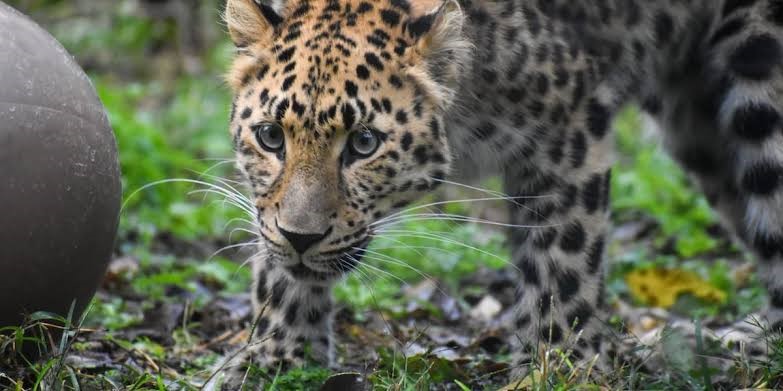
The recent Greenville Zoo leopard escape became a major talking point after officials confirmed that human error caused the incident. Irina, a four-year-old Amur leopard, left her enclosure on Thursday morning and was loose within the zoo grounds for a short period.
According to city officials, the leopard escaped around 8:42 a.m. Zoo staff quickly began emergency procedures, and all guests were evacuated as a precaution. Visitors were surprised by the sudden warning, with some saying they were told to be careful because a leopard was nearby.
How the Greenville Zoo Leopard Escape Happened
Officials later explained that Irina left her enclosure due to human error during routine procedures. The zoo has not released every operational detail, but it confirmed that staff procedures have already been adjusted to prevent a similar incident from happening again.
Police officers and city staff responded immediately and created a safety perimeter around the zoo and nearby Cleveland Park. Emergency teams worked together to locate the animal and prepare a tranquilizer response.
Quick Timeline of the Incident
| Time | Event |
|---|---|
| 8:42 a.m. | Irina escaped her enclosure |
| Shortly after | Zoo guests and staff were evacuated |
| Around 9:20 a.m. | Emergency teams successfully tranquilized Irina |
| Later that morning | Irina was returned to a secure leopard den |
The quick response meant that the leopard was safely recovered in less than an hour.
Why This Incident Drew Attention
Irina is not just any zoo animal. She is an Amur leopard, one of the world’s most endangered big cats, with fewer than 150 believed to remain in the wild. She arrived at the Greenville Zoo from St. Louis in October 2024 and recently became a first-time mother after giving birth to twin cubs in May 2026.
Zoo officials confirmed that the male leopard and the two cubs remained safe inside their exhibit throughout the incident.
Emergency Response Helped Protect Everyone
The Greenville Zoo is accredited by the Association of Zoos and Aquariums (AZA). AZA accreditation requires facilities to conduct regular emergency drills, including animal escape scenarios.
The organization praised the zoo’s preparedness and noted that the response showed strong coordination between zoo staff, emergency teams, and law enforcement. Officials emphasized that no members of the public were placed in danger during the event.
What Happens Next?
The zoo announced that it would reopen the following day after completing safety checks and reviewing procedures. Incidents like this often lead to updated staff training, additional safety verification steps, and stricter operational controls around animal enclosures.
For readers interested in zoo safety and wildlife conservation, you may also want to explore our articles on big cat conservation efforts and how modern zoos handle emergency animal response procedures.
The Greenville Zoo leopard escape serves as an important reminder that even well-managed facilities can experience unexpected situations. However, the combination of rapid evacuation, professional emergency response, and immediate procedural changes helped ensure a safe outcome for visitors, staff, and Irina herself.