
Buying a new laptop in 2026 will cost more than most people expect. Prices are rising across all categories, from budget laptops to premium gaming machines. This change is not sudden, and it is not driven by one single factor. Several hardware and market shifts are coming together, and they are pushing laptop prices higher than ever before.
The Global RAM Shortage Is Driving Costs Up
The biggest reason laptops are becoming more expensive in 2026 is the shortage of RAM. Memory prices have increased sharply because demand has far exceeded supply. Large technology companies are using massive amounts of memory to power artificial intelligence systems and data centers.
Because memory manufacturers have limited production capacity, most of it is now focused on AI and server-grade memory. This leaves fewer memory chips available for consumer laptops. When supply drops and demand stays strong, prices rise quickly, and laptop brands are forced to pass those costs on to buyers.
AI Demand Is Reshaping the Hardware Market

Artificial intelligence is changing how hardware is produced and sold. AI workloads require huge memory pools to operate efficiently. To meet this need, manufacturers are shifting resources away from consumer-grade components.
This shift affects laptop makers directly. Even though laptops do not use the same memory modules as servers, they rely on the same core memory chips. As AI companies lock in long-term supply deals, consumer hardware gets pushed to the back of the line, making laptops more expensive to build.
Graphics Cards and SSD Prices Are Rising Too
RAM is not the only component under pressure. Graphics cards rely on dedicated video memory, which is also seeing price increases. As GPU memory becomes more expensive, laptops with dedicated graphics hardware become costlier.
Solid-state drives are also affected. The same companies that produce RAM also manufacture storage chips. When memory production is prioritized for AI use, SSD supply tightens as well. This causes storage prices to rise, adding even more cost to new laptops.
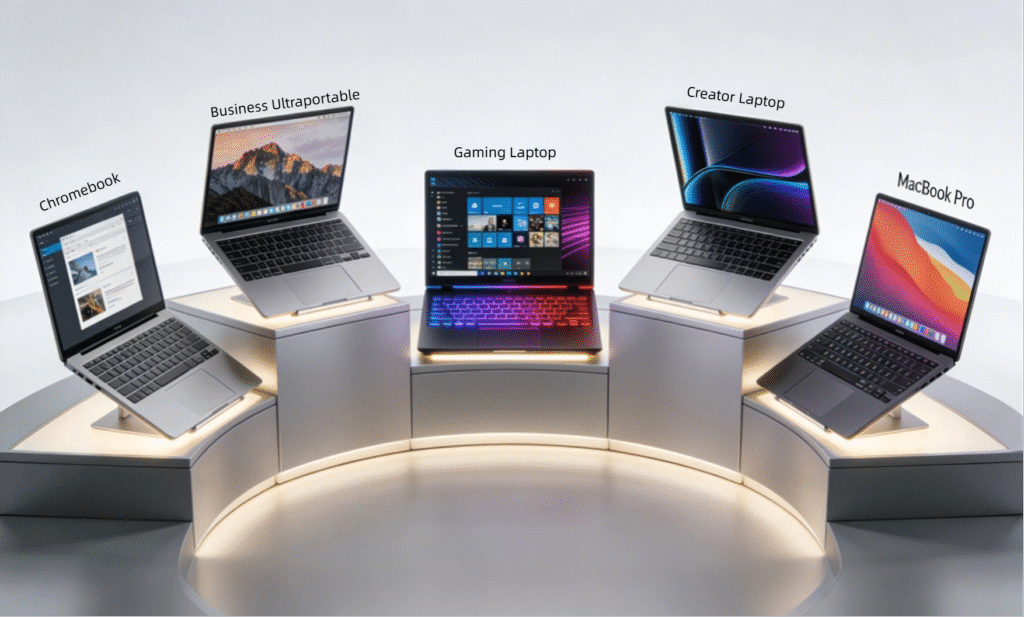
How Different Laptop Categories Are Affected
| Laptop Category | Expected Price Impact |
|---|---|
| Gaming Laptops | High increase due to heavy RAM and GPU usage |
| Business Laptops | Moderate increase for higher configurations |
| Ultraportables | Higher prices with limited upgrade options |
| Budget Laptops | Fewer affordable models available |
| Chromebooks | Entry-level prices moving upward |
High-memory laptops are becoming premium products. Systems with 32GB or more RAM will be much harder to find at mid-range prices.
Limited Upgrade Options Add to the Problem
Many modern laptops now use soldered memory, which cannot be upgraded later. This means buyers must choose the right amount of RAM at the time of purchase. Upgrading later is often impossible, forcing users to pay more upfront.
This trend makes laptops less flexible and increases long-term costs, especially as software becomes more memory-hungry.
What Laptop Buyers Should Expect in 2026
Laptop prices in 2026 are unlikely to drop anytime soon. With AI companies securing hardware supply for years, component shortages may last longer than expected. Buyers will need to plan carefully, compare configurations closely, and consider slightly older models to save money.
Final Thoughts
Laptops are becoming more expensive in 2026 because of memory shortages, rising AI demand, and higher costs for graphics and storage components. These changes are reshaping the laptop market and reducing the number of affordable options.
Understanding these real reasons helps buyers make smarter decisions. In a market where hardware is harder to source, planning ahead is the best way to avoid paying more than necessary.