
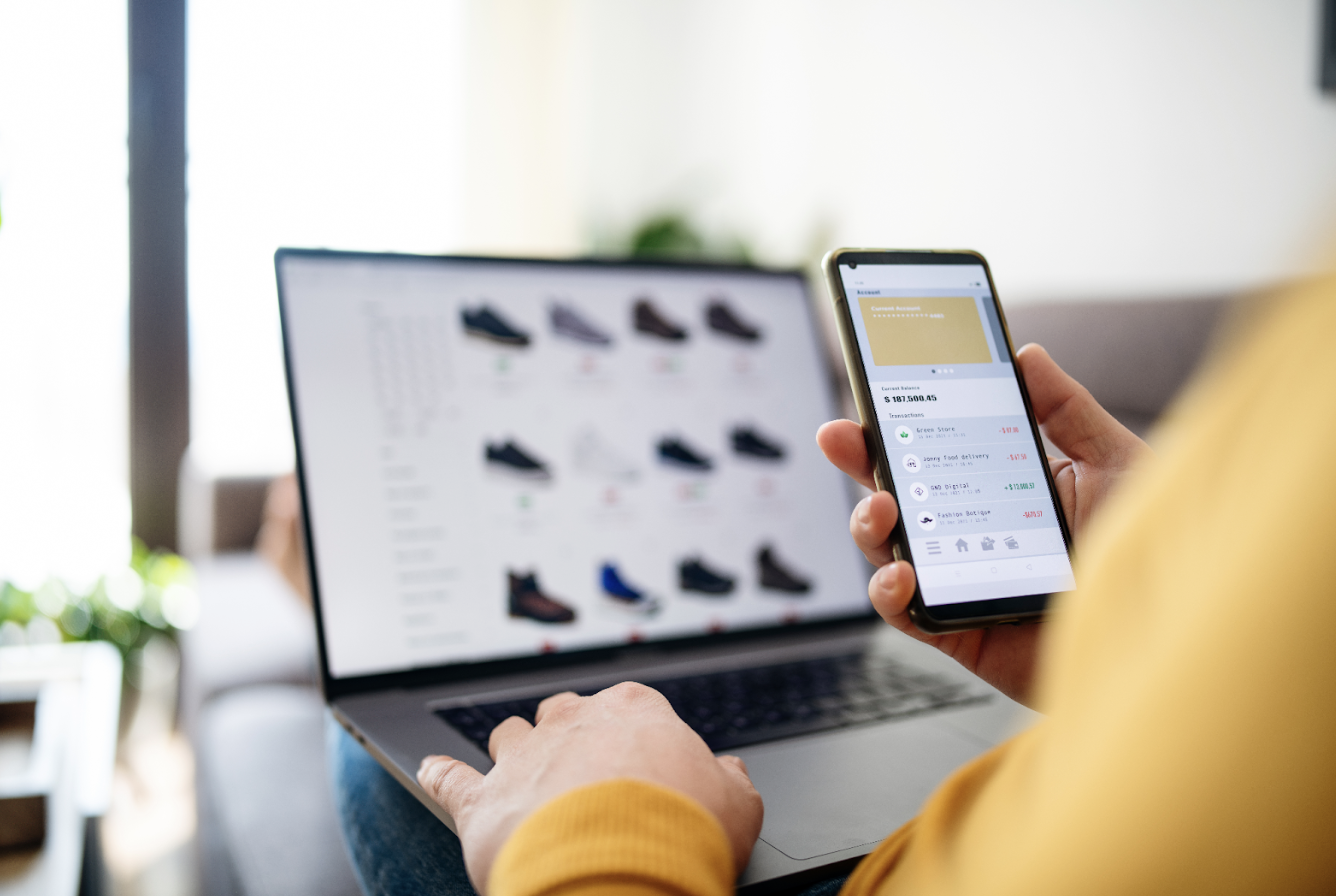
Shopping is entering a new phase. In the agentic shopping era, AI does more than just suggest products. It actively helps shoppers research, compare, decide, and even complete purchases on their behalf. For retailers, this shift is changing how customers discover products and how sales are closed.
In 2026, new tools and open systems are making it easier for retailers to adapt to this change and sell smarter, not harder.
What Agentic Commerce Means for Retailers
Agentic commerce refers to AI-powered agents that act for shoppers during the buying journey. These agents can understand intent, answer questions, apply offers, and guide purchases smoothly.
For retailers, this means fewer steps between discovery and checkout. When the buying process becomes easier, customers are more likely to complete their purchase. It also means retailers must present accurate, detailed product information so AI agents can recommend their products with confidence.
A Universal Standard Simplifying Shopping

One major development supporting this shift is the introduction of a universal commerce standard built for agent-led shopping. This open standard allows AI agents, retailers, and payment systems to work together using a common structure.
Instead of managing multiple integrations for different platforms, retailers can rely on one system that supports the entire shopping journey. This saves time, reduces technical complexity, and helps brands scale faster across digital channels.
Retailers still stay in control of pricing, branding, and fulfillment, while benefiting from smoother customer experiences.
Faster Checkout with Secure Payments
Agentic checkout is another key advantage in the new shopping era. Shoppers can complete purchases directly while browsing or researching, without leaving the experience.
Secure payment tools use saved payment and delivery details, making checkout quick and familiar. This reduces cart abandonment and helps retailers capture sales at the moment of high intent.
Over time, these checkout experiences will also support features like loyalty rewards, personalized suggestions, and repeat purchases.
Branded AI Agents as Virtual Sales Assistants
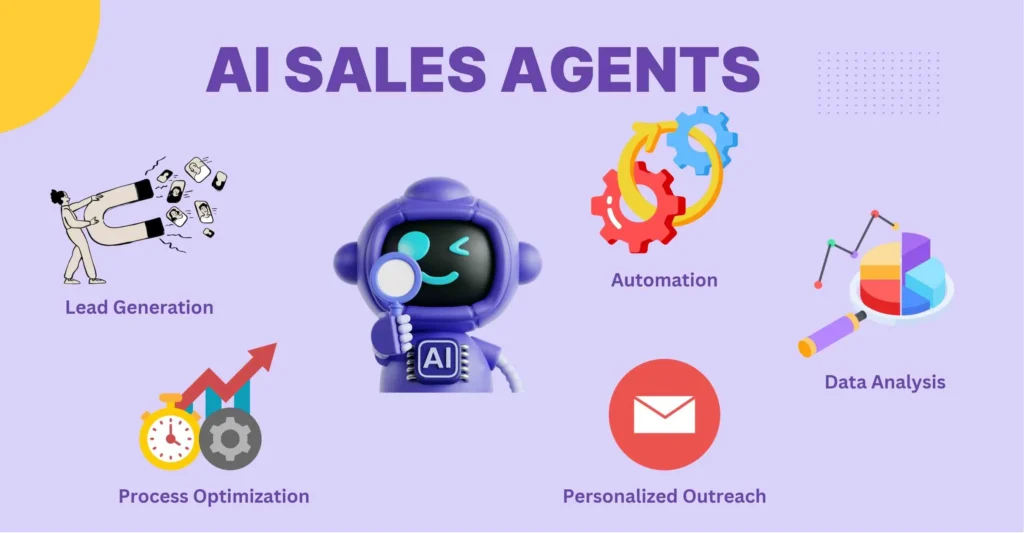
Retailers are also using branded AI agents to engage customers in real time. These agents act like virtual store associates, available directly during search or discovery moments.
They can:
- Answer product-related questions
- Recommend similar or complementary items
- Share exclusive offers
- Support direct purchases through chat
This approach builds trust and helps shoppers make confident decisions, especially for complex or high-value products. You can explore more about customer engagement strategies in our digital retail insights section.
Smarter Product Discovery in Conversational Search
As shopping becomes more conversational, retailers need to move beyond basic keywords. New product attributes help AI understand details such as use cases, compatibility, and alternatives.
This richer data improves visibility in AI-driven shopping experiences and ensures products appear when they best match shopper intent. Retailers who invest early in clean, detailed product data gain a clear advantage.
Direct Offers That Drive Conversions
To help close sales, AI-powered Direct Offers allow retailers to present special deals at the right moment. These offers appear when a shopper is ready to buy, not during early browsing.
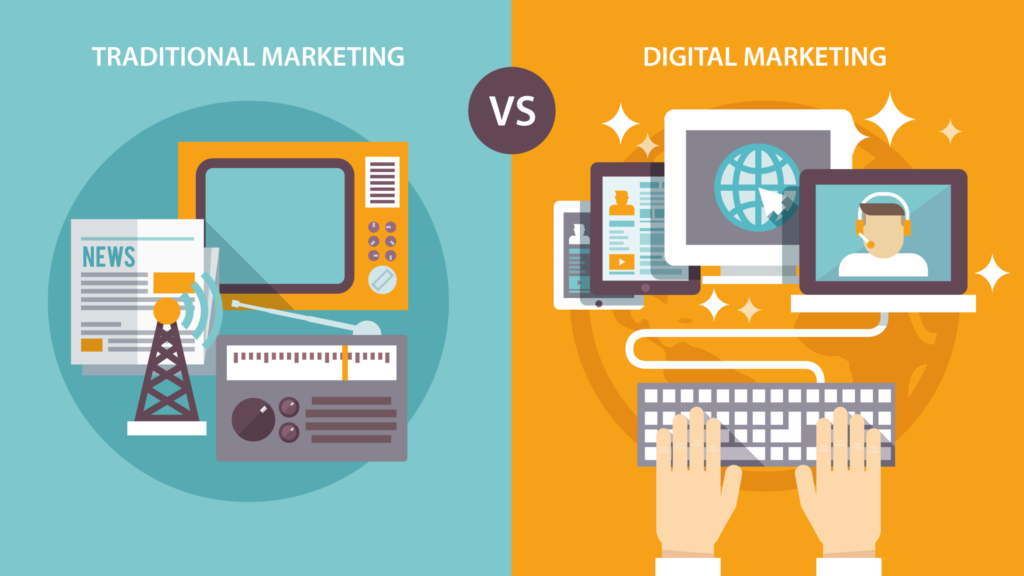
Traditional Promotions vs Direct Offers
| Aspect | Traditional Promotions | Direct Offers |
|---|---|---|
| Timing | Broad audience | High-intent shoppers |
| Personalization | Limited | AI-driven |
| Conversion Rate | Average | Higher |
| Customer Experience | Generic | Relevant and timely |
Selling Smarter in the Agentic Era
The agentic shopping era is reshaping retail from discovery to checkout. AI tools are reducing friction, improving engagement, and helping retailers reach customers when it matters most.
Retailers who embrace open standards, branded AI agents, and intent-based offers will be better prepared for the future. The technology is evolving fast, and those who adapt now will lead the next generation of digital commerce.