

Valve has returned to the hardware scene with a fresh wave of products, but none have sparked as much debate as the new Steam Machine. Designed as a compact PC powered by SteamOS, the device aims to bring PC-style gaming into a console-like form. But even before its launch, one major concern kept surfacing — its price.
Now that Valve has confirmed its pricing direction, the reaction from the gaming community is mixed. The Steam Machine’s cost may be a bold decision, but it’s one that could easily backfire if the device doesn’t meet expectations.
Valve Confirms PC-Level Pricing, Not Console Pricing
On the “Friends Per Second” podcast, Valve developer Pierre-Loup Griffais finally addressed the big question. He explained that the Steam Machine will be priced like a traditional PC, based on the cost of its internal components.
This means Valve has no plans to follow the usual console model of selling hardware cheaply and making up the difference through game sales. Instead, gamers should expect a price close to a mid-range prebuilt PC — roughly $600 to $800, based on parts estimates.
That pricing might make sense for Valve, but it places the Steam Machine in an awkward position.
How the Steam Machine Stacks Up Against Competitors
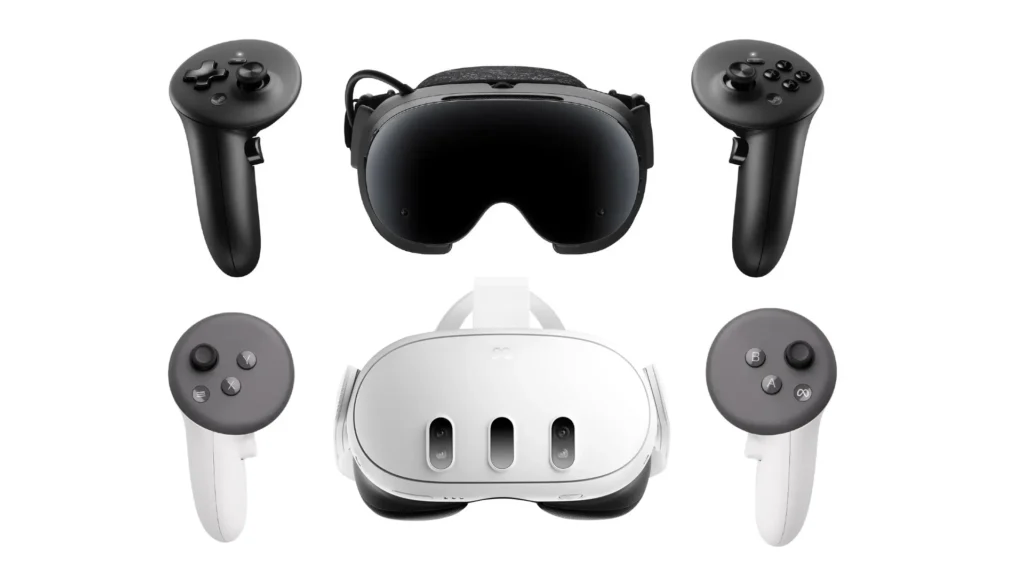
Here’s a simple comparison to show where it sits in the current market:
| Feature | Steam Machine | PlayStation 5 | Xbox Series X |
|---|---|---|---|
| Expected Price | $600–$800 | ~$500 | ~$500 |
| Power Level | Mid-range PC | High | High |
| OS | SteamOS | PlayStation OS | Xbox OS |
| Value Per Dollar | Uncertain | Strong | Strong |
| Best For | PC-curious users | Console gamers | Console gamers |
This chart highlights the Steam Machine’s biggest problem: it costs more than consoles but doesn’t offer dramatically better performance.
Why This Bold Pricing Could Backfire
1. Console Gamers Expect Affordability
The audience most likely to consider the Steam Machine is console players who want a PC-like experience. But a price above $600 could push them away, especially when consoles offer stronger performance at a lower cost.
2. PC Gamers Already Own Better Hardware
Most PC enthusiasts have systems that outperform the Steam Machine. For them, a compact mid-range device may not justify its price.
3. Hardware Costs Are Rising
The AI industry’s demand for memory, GPUs, and storage is pushing up PC component prices. This puts Valve at a disadvantage, making it harder to create a reasonably priced product.
4. SteamOS Isn’t a Selling Point by Itself
SteamOS is free for anyone to download. Steam works on Windows and Linux. This means the Steam Machine’s value must come from its hardware — not the software experience.
Valve’s High-Risk, High-Reward Strategy
Valve is taking a risk by positioning the Steam Machine as a premium PC-like device rather than a competitor to the PlayStation or Xbox. This bold move could pay off if Valve successfully attracts console players who want a smooth, simple PC experience.
But if the price feels too high for what the device delivers, the Steam Machine could struggle to gain traction, especially in a crowded gaming market.
Final Thoughts
The Steam Machine price reveal shows Valve is confident in its vision — but confidence alone doesn’t guarantee success. With rising hardware costs, strong console competition, and a demanding PC audience, this bold pricing strategy could easily backfire if the device doesn’t prove its value.
Only time will tell if Valve’s gamble pays off.