

Meta Description:
Measles cases are rising quickly in South Carolina, leading to school quarantines and growing concern among parents. This simple guide explains the outbreak, symptoms, and key differences between vaccinated and unvaccinated risks.
The measles spike in South Carolina is continuing to grow, and many parents are now looking for clear, simple information to keep their children safe. After the Thanksgiving holidays and increased travel, health officials have reported a sharp rise in cases across the upstate region. Schools, families, and communities are now dealing with the effects of this fast-moving virus.
Understanding the Sudden Rise
Health leaders confirmed 111 measles cases across Greenville, Spartanburg, and nearby areas. What makes this more serious is the speed at which the virus is spreading. Twenty-seven new cases were recorded in just a few days, showing how quickly measles can move through a community when immunity levels are low.
Spartanburg County’s MMR vaccination rate sits at 90%, which is below the recommended 95% needed to prevent outbreaks. This gap is one of the key reasons for ongoing transmission.
How Students Are Being Impacted
Schools have become one of the main places where the virus is spreading. Because measles is extremely contagious and can linger in the air for hours, anyone unvaccinated is at high risk after exposure. Right now, 254 people are under a required 21-day quarantine.
Some unvaccinated students are facing a second round of 21-day quarantine this school year, leading to a total of 42 days away from classes. This has created challenges for learning, attendance, and overall well-being.
Vaccinated vs. Unvaccinated: What Parents Should Know
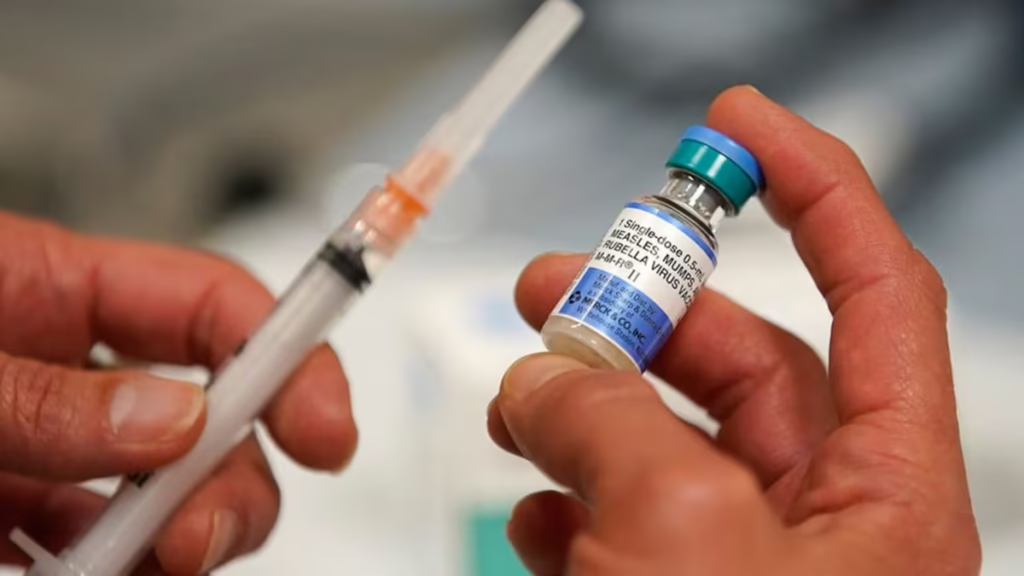
Below is a simple comparison to help parents understand the difference in risk:
| Factor | Vaccinated Child | Unvaccinated Child |
|---|---|---|
| Protection Level | 97% protection | Almost no protection |
| Chance of Infection | Very low | Very high after exposure |
| Quarantine Required | Usually not | Mandatory 21 days |
| Risk of Spreading Measles | Low | Very high |
| Hospitalization Risk | Low | Higher (11–12% of cases) |
Measles Symptoms to Watch For
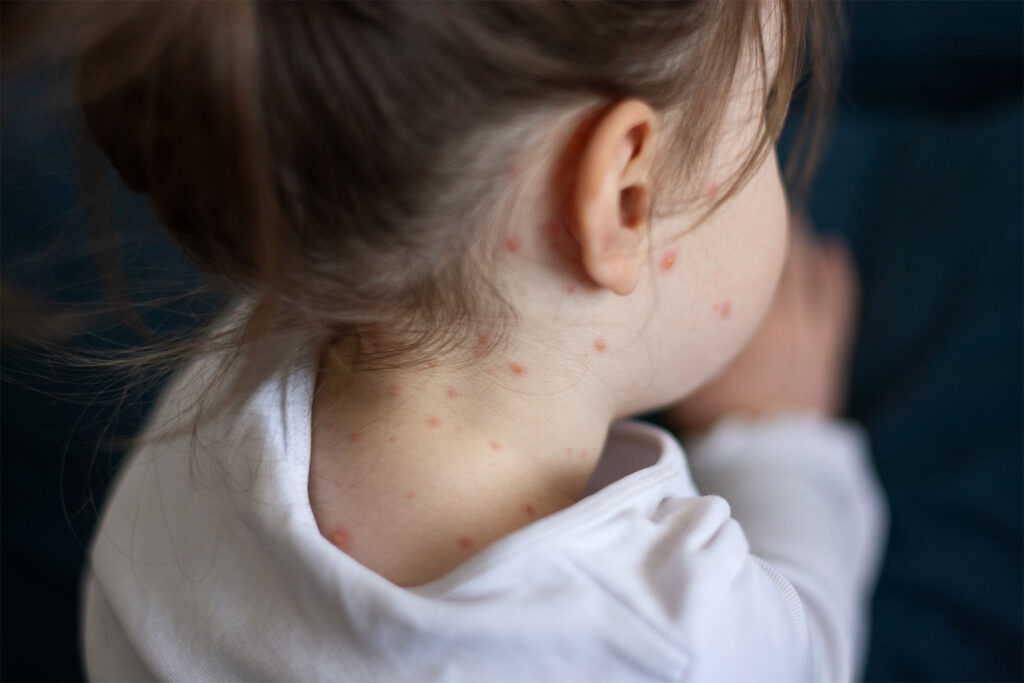
Measles symptoms can appear up to 21 days after exposure, which is why quarantines are so long. Parents should monitor for:
- High fever (sometimes over 104°F)
- Runny nose and cough
- Red, watery eyes
- Tiny white spots inside the mouth
- A spreading rash starting at the scalp
While most children recover, some cases become serious. This year, there have already been three measles-related deaths in the U.S., including two young girls.
Why Prevention Still Matters
The MMR vaccine remains the strongest protection against measles, offering high effectiveness when both doses are given. Although mobile clinics were set up in affected areas of South Carolina, turnout was low. With the outbreak still growing, health officials urge parents to check vaccination records, look for symptoms early, and keep their children home if exposed.
A Simple Message for Parents
The continuing spike in measles cases shows how quickly the virus can spread when vaccination levels drop. Staying informed, understanding symptoms, and following public health guidance can help keep your family and community safe.