

Meta Description: The Notepad++ supply chain attack reveals how selective targeting and silent access were used to deliver malware through trusted software updates.
Introduction
The Notepad++ supply chain attack is a strong example of how cyber threats have become more patient and precise. Notepad++ is a popular and trusted source code editor used by millions of developers and organizations. In late 2025, a security incident revealed that attackers did not exploit a bug in the software. Instead, they silently compromised the hosting infrastructure used to deliver updates. This attack relied on selective targeting and long-term access, making it difficult to detect and highly effective.
How the Attack Stayed Hidden

The attack came to light only after Notepad++ introduced updates to protect its updater system. Before that, a small number of users had unknowingly received malicious updates. Security researchers later discovered that update traffic had been intercepted and redirected.
The attackers gained access at the hosting provider level, not within the Notepad++ codebase. This allowed them to control where update requests were sent. Only selected users were redirected to attacker-controlled servers that delivered malware. Because most users received normal updates, the attack remained unnoticed for months.
Selective Targeting of High-Value Users
One of the most alarming aspects of this incident was the careful selection of targets. The attackers focused on specific organizations, mainly in telecom and financial sectors in East Asia. This selective approach reduced the chance of detection and increased the value of the attack.
Such targeting suggests a highly skilled and well-resourced threat group. By avoiding mass infection, the attackers kept their activity quiet while maintaining access to sensitive environments.
Timeline of Silent Access
Investigations showed that the compromise likely began around June 2025. Even after the affected server received maintenance updates in early September, attackers were able to maintain access using credentials stolen earlier. This allowed them to continue redirecting traffic until December.
This long period of silent access highlights how supply chain attacks can persist without raising alarms, especially when infrastructure monitoring is weak.
How Supply Chain Attacks Differ From Traditional Hacks
The Notepad++ incident shows why supply chain attacks are more dangerous than common software exploits.
| Area | Traditional Hack | Notepad++ Supply Chain Attack |
|---|---|---|
| Entry Point | Software vulnerability | Hosting infrastructure |
| Target Range | Broad | Narrow and selective |
| Detection Speed | Faster | Slower |
| Code Tampering | Common | None |
| Trust Abused | Limited | Very high |
This comparison explains why such attacks can cause serious damage with minimal visibility.
Steps Taken After the Discovery
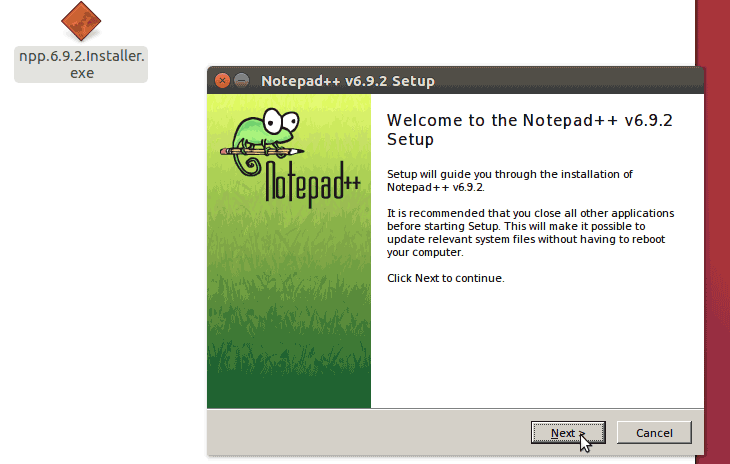
After confirming the breach, Notepad++ acted quickly. The project moved to a new hosting provider and added client-side update checks to verify file integrity. These measures reduce the risk of future update hijacking.
Notepad++ also worked with external security experts to review the incident and strengthen defenses across its update system.
Lessons for the Software Industry
The biggest lesson from this attack is that trust can be exploited at any level of the supply chain. Developers must secure not only their code but also their infrastructure, credentials, and update delivery systems.
Organizations using third-party software should also review their security strategies. Relying only on software reputation is no longer enough in today’s threat environment.
Conclusion
The Notepad++ supply chain attack tells a clear story of selective targeting and silent access. By compromising hosting infrastructure instead of software code, attackers were able to stay hidden while reaching high-value targets. This incident serves as a warning that modern supply chain security requires constant vigilance, strong verification, and a deep understanding of where trust can be abused.