

The race to build useful AI agents is getting more interesting, with Meta and OpenAI taking noticeably different approaches. Meta Muse vs OpenAI Dots is becoming a key comparison as both companies push AI beyond simple chatbots and toward systems that can complete tasks on a user’s behalf.
Both Muse and Dots are designed as persistent AI agents. They can work with computers, remember information and interact with connected applications. However, their target users and overall strategy are quite different.
Meta Muse Focuses on Consumers and Small Businesses
Meta’s Muse is closely connected to the company’s huge consumer ecosystem. It is designed to work across platforms such as Instagram, Facebook and WhatsApp while also connecting with business services.
For small businesses, Muse can help analyze sales and marketing information, create campaign drafts, review expenses and identify important messages. However, business owners still have to approve actions before something is published, sent or paid for.
Muse can also connect with tools such as Shopify, QuickBooks, Stripe, Canva and Slack. This gives it a practical role for businesses that already depend on these services.
According to Truist Securities, Muse had reached 2.8 million early downloads, highlighting the potential advantage Meta gets from its existing user base.
OpenAI Dots Takes a Different Route
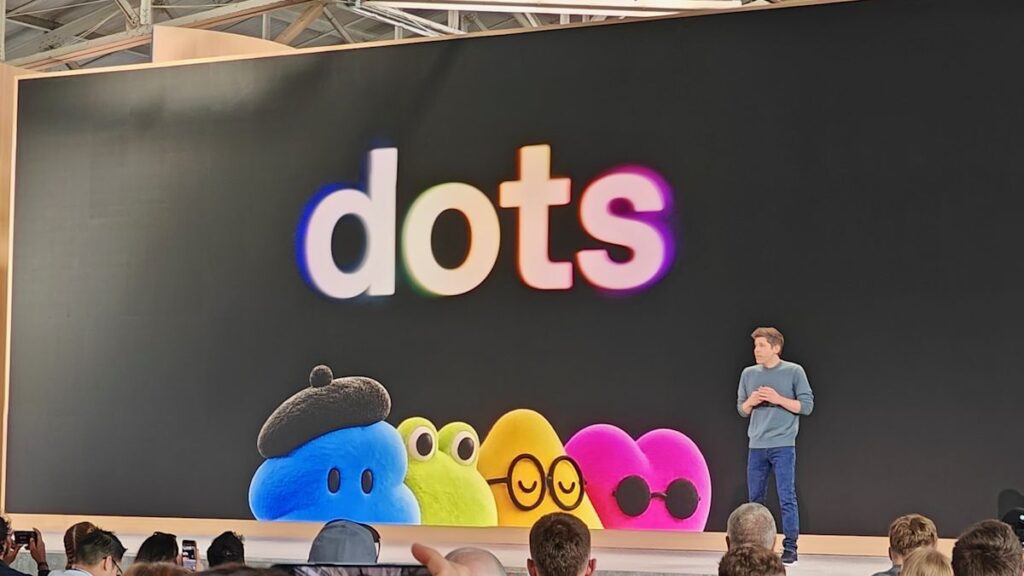
OpenAI’s Dots is initially aimed more toward developers and power users. Instead of focusing mainly on Meta’s consumer platforms, Dots is built around an always-on AI agent with its own cloud computer, browser and connected applications.
The platform also has an enterprise-oriented approach, with support involving tools such as Slack and Teams and Microsoft security integration.
This means the two products are approaching the AI-agent market from different directions. Meta is using its large consumer network and business ecosystem, while OpenAI is focusing heavily on autonomous computer-based work.
Meta Muse vs OpenAI Dots: Key Differences
| Feature | Meta Muse | OpenAI Dots |
|---|---|---|
| Main audience | Consumers and small businesses | Developers and power users |
| Main approach | Consumer-first | Enterprise and productivity-focused |
| Computer use | Connected services and platforms | Cloud computer and browser |
| Business tools | Shopify, QuickBooks, Stripe, Canva, Slack | Slack, Teams and connected apps |
| Approval system | Business actions require owner approval | Designed for more autonomous task handling |
| Distribution | Instagram, Facebook and WhatsApp ecosystem | OpenAI’s AI ecosystem |
| Pricing approach mentioned | Generous free tier | Newly launched product |
What This Means for the AI Agent Market
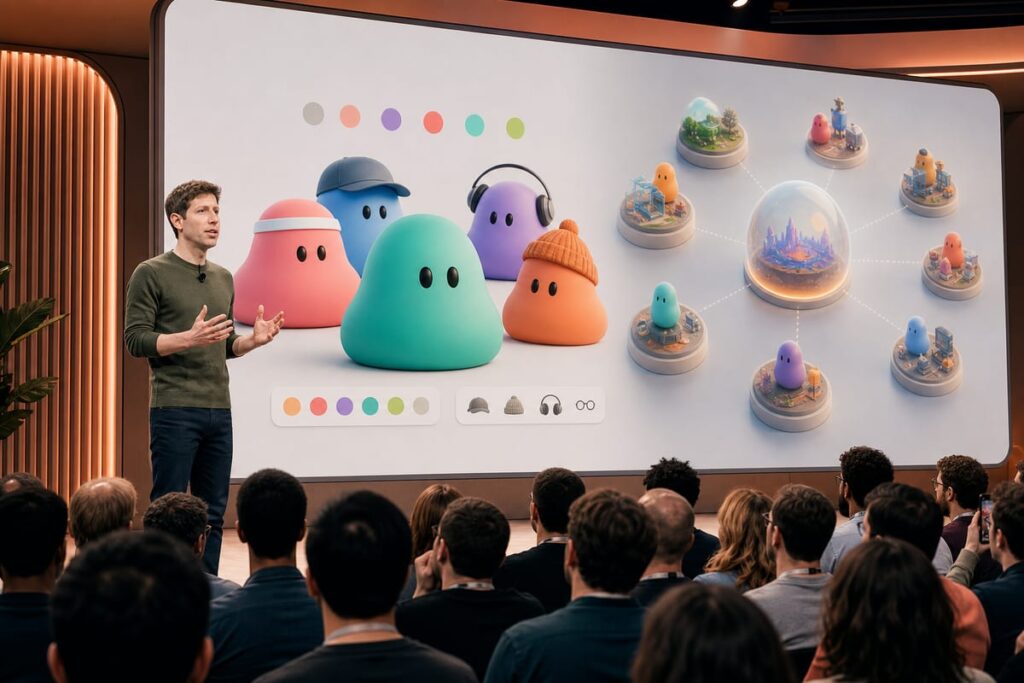
The comparison shows that AI agents may not follow a single formula. Some products can grow through massive consumer distribution, while others may gain traction by focusing on developers, businesses and complex computer tasks.
It is still early for both Muse and Dots. Muse had only been available for a few weeks when the analysis was published, while Dots had just launched. Their capabilities, integrations and business models could change significantly as development continues.
For users, the most important difference may ultimately be where they already work. People deeply connected to Meta’s apps and small-business tools may find Muse’s ecosystem particularly relevant, while developers and power users looking for an autonomous computer-based assistant may be more interested in Dots.
As the AI-agent market develops, Meta Muse vs OpenAI Dots could become an important comparison for understanding how companies are trying to turn AI from a chatbot into a digital worker.