

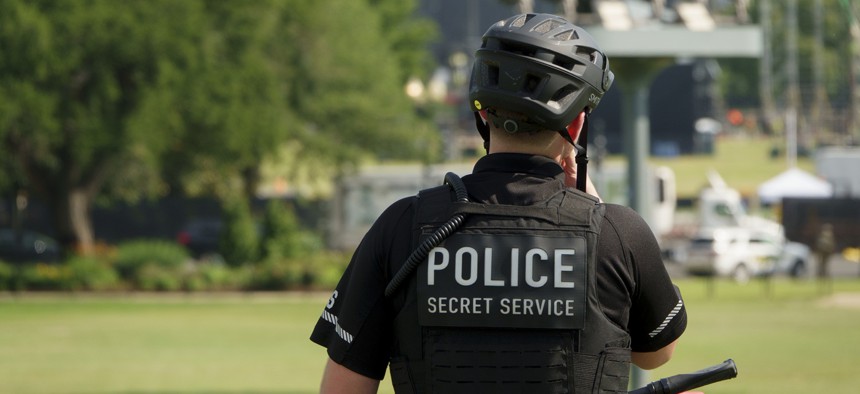
The Secret Service cybersecurity risk has become a serious concern after a recent inspector general report showed major weaknesses in how agents handle mobile phones. These issues may have exposed sensitive information and even put top US officials in danger.
The report highlights how poor cybersecurity habits, especially the use of personal phones during duty, created gaps that foreign attackers could exploit. This raises questions about how secure high-level protection systems really are in today’s digital world.
What the Inspector General Found
The inspector general found that many Secret Service employees were using personal phones instead of secure government devices while on missions. This created a risk where hackers could access private data like contacts, messages, photos, and even location history.
The report also mentioned that phones were not always wiped after international travel. In addition, there was no proper system to test software before installing it on devices used by agents.
These weaknesses could allow foreign groups to track movements or gather intelligence on protectees.
Why Mobile Phone Security Matters
Mobile phones are now a key part of field operations. Agents use them to communicate, share updates, and coordinate during emergencies. But when security is weak, these same devices become a threat.
In high-risk environments, even a small data leak can lead to serious consequences. The Secret Service cybersecurity risk becomes even more critical when sensitive information is shared outside secure systems.
Key Issues Compared
| Security Area | Government Phone Use | Personal Phone Use |
|---|---|---|
| Data Protection | Strong encryption | Limited or unknown protection |
| App Control | Approved apps only | Unrestricted app usage |
| Monitoring | Constant security monitoring | No official monitoring |
| Risk of Data Leak | Low | High |
| Use in Field Operations | Standard practice | Used due to convenience issues |
What Has Changed Since Then
After the report, the Secret Service said it has started improving its communication systems. New steps include better mobile coverage during events and stronger policies for device usage.
However, internal challenges still remain. Agents have long complained that government phones limit communication options, which sometimes forces them to use personal devices instead.
To reduce the Secret Service cybersecurity risk, the agency is now working on balancing security with better usability for field staff.
Lessons for Government Cybersecurity
This situation shows how important strong mobile security is for government agencies. Even a small mistake in device usage can lead to large-scale risks.
Better training, stricter device policies, and modern secure communication tools are needed to prevent future issues. Agencies must ensure that convenience never comes before security.
For more insights on secure communication practices in sensitive organizations, you can explore our internal guide on mobile security best practices in high-risk environments.