
Nvidia’s $5 billion investment in Intel has raised important questions about what lies ahead for the struggling chipmaker. The deal, which was announced in September and completed through a private placement, comes at a time when Intel is working to rebuild its position in the global semiconductor market. For Intel, this is more than just fresh capital. It is a strong signal of confidence from one of the most powerful technology companies in the world.
The investment gives Intel new financial strength and a chance to move forward with its long-term plans without added pressure.
A Much-Needed Financial Boost
Intel has spent heavily over the past few years to expand its manufacturing capacity and modernize its technology. These moves were aimed at securing future growth but caused short-term financial stress. Cash flow concerns and rising costs made it harder for Intel to compete with faster-moving rivals.
Nvidia’s decision to buy Intel shares at a fixed price of $23.28 per share brings stability. With more than 214 million shares purchased, Intel now has greater flexibility to manage expenses, fund innovation, and stay focused on recovery rather than survival.
Why Nvidia’s Support Matters
Nvidia is widely seen as the leader in AI chip design. When a company of this size invests in another chipmaker, it sends a clear message to the market. Nvidia’s backing suggests that Intel still has valuable assets, strong engineering talent, and a role to play in the future of the semiconductor industry.
This support may also help Intel regain trust among investors and partners. Confidence is critical during a turnaround, and this deal helps restore it.
Potential Impact on Intel’s Strategy
With stronger financial backing, Intel can continue investing in advanced manufacturing and process improvements. The company can also take a more patient approach to execution, focusing on quality and long-term results instead of short-term fixes.
The investment does not give Nvidia control over Intel’s operations. This allows Intel to maintain independence while benefiting from external support. It is a balance that could help Intel rebuild without losing direction.
Regulatory Clearance and Market Response
U.S. antitrust authorities reviewed and approved the investment earlier this month. This clearance confirmed that the deal would not harm competition in the chip market.
Following the confirmation, Intel’s stock showed little movement, suggesting that investors had already priced in the news. Nvidia’s shares also saw only minor changes, reflecting confidence in the long-term nature of the investment.
How the Deal Shapes Intel’s Future
| Area | Before Investment | After Investment |
|---|---|---|
| Financial Stability | Under pressure | Improved flexibility |
| Investor Confidence | Uncertain | Strengthened |
| Long-Term Planning | Limited by costs | More room to execute |
| Industry Position | Challenged | More stable |
Looking Ahead
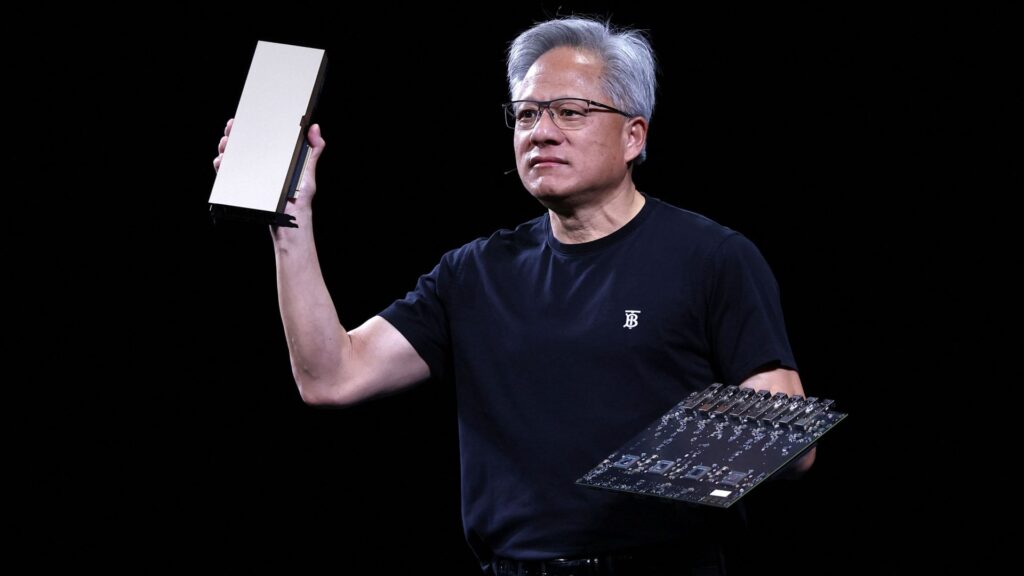
Nvidia’s $5 billion investment gives Intel time and resources to execute its recovery strategy. It does not solve every challenge, but it reduces financial stress and improves confidence across the market.
For readers interested in similar stories, our coverage on semiconductor industry trends and major tech investments offers more context on how partnerships are reshaping the sector.
Final Thoughts
What Nvidia’s $5 billion investment means for Intel’s future is clear. It provides stability, confidence, and breathing room at a critical stage. If Intel uses this opportunity wisely, the deal could mark an important step toward rebuilding its strength in a highly competitive industry.