
Meta Description
A simple breakdown of how Americans view Donald Trump’s Iran strategy, including public opinion on military action, costs, and political divisions.
Introduction
Recent public opinion data shows that many Americans are uncertain about the direction of US policy toward Iran. As tensions continue, people across the country are questioning leadership decisions, military involvement, and the overall impact on the nation.
Public Doubts About a Clear Strategy
Only about one-third of Americans believe that President Donald Trump has a clear plan for handling the situation in Iran. This highlights a growing lack of confidence in how the issue is being managed. Many citizens feel unsure about what the long-term goals are and whether the current approach will lead to stability.
This uncertainty comes at a time when people are paying close attention to global events but still feel they are not getting clear answers.
Falling Support for Military Action
Support for US military involvement in Iran has dropped noticeably. Just 34% of Americans now say they approve of the decision, while a strong 66% disapprove. Even more telling is the rise in strong opposition, showing that concerns are becoming more serious.
People are especially cautious about deeper involvement. A large majority opposes both increased funding and sending ground troops. These numbers suggest that Americans prefer a more restrained approach rather than escalation.
Divisions Across Political Groups
Political views play a big role in shaping opinions on this issue. Democrats and independents strongly oppose military action, while Republicans are more divided.
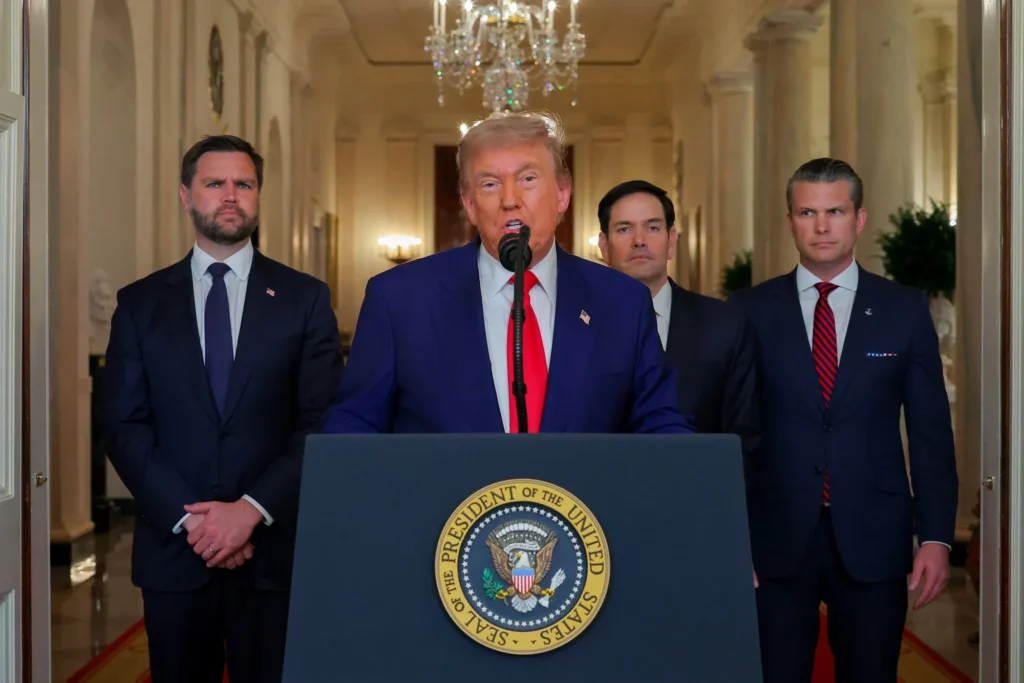
Even within Republican groups, there is no full agreement. Older Republicans are more likely to support military action, while younger ones tend to be more cautious. Similarly, those closely aligned with certain political movements show stronger support compared to others within the same party.
This internal divide shows that the issue is not simply partisan—it is complex and influenced by different perspectives within each group.
Is the War Worth the Cost?
A key question for many Americans is whether the conflict is worth the cost. Only 29% believe the war has been worth the loss of lives and financial burden. This is a sharp contrast to earlier conflicts where public support was initially much higher.
Comparison of Public Opinion on War Value
| Conflict | % Who Said It Was Worth It |
|---|---|
| Iraq War (2003) | 59% |
| Iran Conflict Now | 29% |
This comparison clearly shows how public attitudes have shifted over time. People today are more cautious and less willing to support long-term military involvement.
Economic Concerns Add Pressure
Another important factor is the economy. Many Americans are worried about rising costs and financial instability at home. For some, the war and economic issues are directly connected.
A significant portion of people still see economic challenges as the top issue facing the country, even more than foreign policy. This puts additional pressure on leaders to balance international actions with domestic needs.
Conclusion
Overall, public opinion reflects caution, concern, and division. Americans are not fully convinced about the current strategy in Iran, and many are hesitant about further involvement.
As the situation develops, it is clear that leaders will need to address both foreign policy goals and the concerns of citizens at home. Building trust and providing clarity may be key to gaining broader public support.