
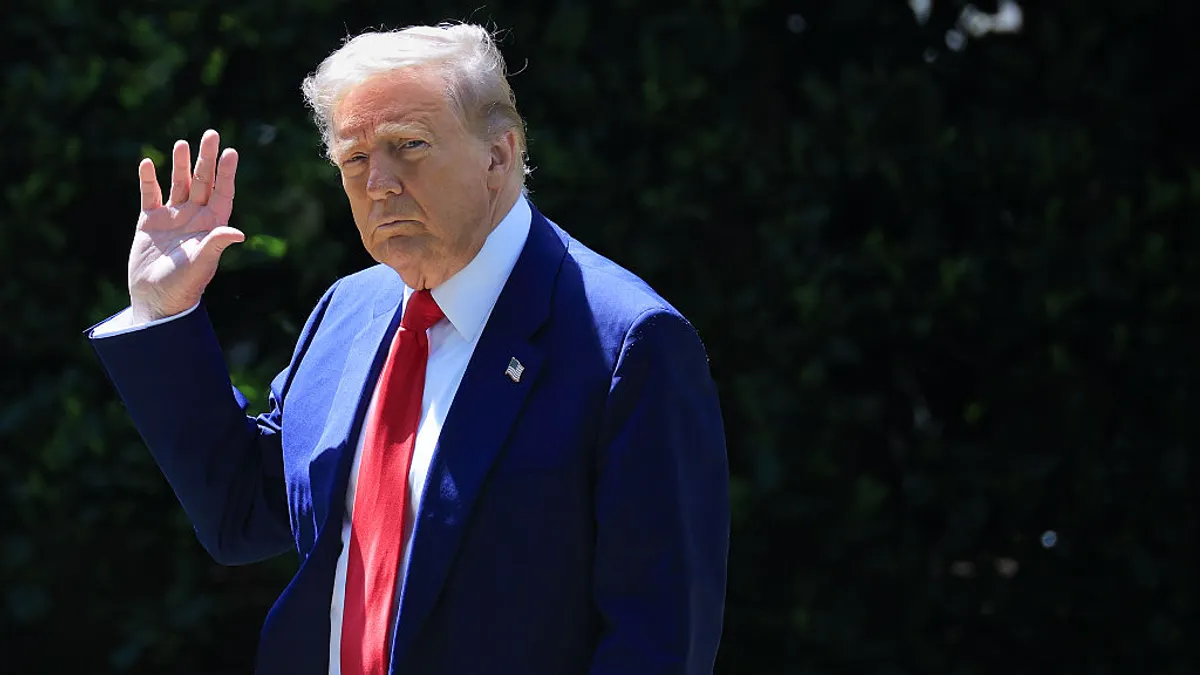
President Donald Trump has released a new health care policy outline that aims to reshape how Americans pay for medical care. Announced from the White House, the proposal brings together several ideas the president has supported in the past, while also introducing changes that could significantly impact insurance companies, hospitals, and drug manufacturers. The administration has named it the “Great Health Care Plan,” stressing that it is designed to put patients first.
Focus on Lower Prescription Drug Prices
One of the central goals of Trump’s health policy outline is to reduce prescription drug costs. The plan calls on Congress to turn the president’s “most favored nation” drug pricing idea into law. Under this approach, drug companies would be required to lower U.S. prices to match the lowest prices charged in other countries.
Trump has repeatedly argued that Americans pay far more for the same medicines than patients abroad. By linking U.S. prices to global rates, the administration believes families could see real savings at the pharmacy counter. This section of the plan is likely to face resistance from drug makers, but it remains a major focus of the proposal.
Shifting ACA Subsidies to Health Savings Accounts
Another key part of the health policy outline involves changes to Affordable Care Act subsidies. Instead of sending federal subsidy dollars directly to insurance companies, the plan suggests routing this money into Health Savings Accounts, or HSAs. According to the White House, this would give individuals more control over how their health care dollars are spent.
The plan also supports funding the cost-sharing reduction program under the ACA. The goal is to help reduce insurance premiums and out-of-pocket costs, especially for middle-income families. This approach reflects ongoing debates in Congress following the expiration of enhanced tax credits.
Strong Push for Price Transparency
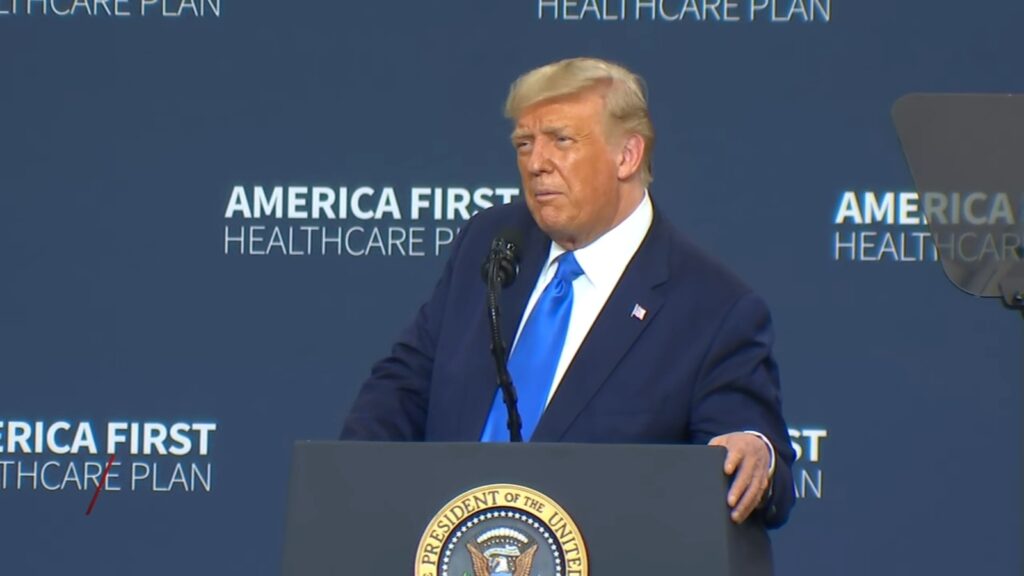
Price transparency is a major theme throughout the policy outline. Insurance companies would be required to clearly publish rate and coverage comparisons on their websites. These details must be written in plain English, making it easier for consumers to understand their options.
Insurers would also need to disclose how much of their revenue goes toward actual medical claims versus company profits. Hospitals and doctors’ offices that accept Medicare or Medicaid would be required to post their costs as well. The administration believes this transparency will encourage competition and help patients make better decisions.
Comparing the Current System and Proposed Changes
| Area | Current System | Proposed Plan |
|---|---|---|
| Drug Pricing | Higher U.S. prices | Linked to lowest global prices |
| ACA Subsidies | Paid to insurers | Directed to HSAs |
| Insurance Transparency | Limited clarity | Plain-language disclosures |
| Provider Pricing | Often hidden | Costs publicly posted |
Political Path Ahead
Trump has asked Congress to pass the health care framework into law. While some elements align with Republican priorities, others may face pushback on Capitol Hill. Insurance companies and medical providers are expected to raise concerns, particularly around transparency and pricing rules.
For readers interested in related topics, this policy outline connects closely with ongoing discussions around health care reform and insurance affordability covered in earlier sections of our health policy updates.
Final Thoughts
Trump’s health policy outline signals a renewed effort to reshape the U.S. health care system. By focusing on lower drug prices, consumer control through HSAs, and clear pricing information, the plan aims to shift power away from large corporations and toward patients. Whether Congress can turn this outline into law remains uncertain, but the proposal has already set the stage for major health care debates in 2026.