

Over the past few years, Sony Interactive Entertainment has made a major shift in its gaming strategy by focusing more on live-service titles for the PlayStation platform. This approach aims to keep players engaged for longer periods through regular updates, online features, and seasonal content. While the idea offers strong long-term revenue potential, it has also created new challenges for several studios that Sony acquired recently.
Sony’s expansion into live-service gaming came after the success of multiplayer-focused titles across the industry. As a result, many newly acquired studios were encouraged to explore online projects instead of traditional single-player experiences.
Why Sony Shifted Toward Live-Service Games
The gaming market has changed rapidly. Instead of releasing one-time story games, many companies now focus on titles that evolve over time. Live-service games allow developers to add new content regularly while building active communities.
To support this direction, Sony acquired studios with strong technical skills and multiplayer experience. One of the biggest moves was the purchase of Bungie, known for its expertise in online shooters. Its upcoming project Marathon is expected to play an important role in Sony’s future multiplayer lineup.
How the Strategy Affected Sony’s Acquired Studios
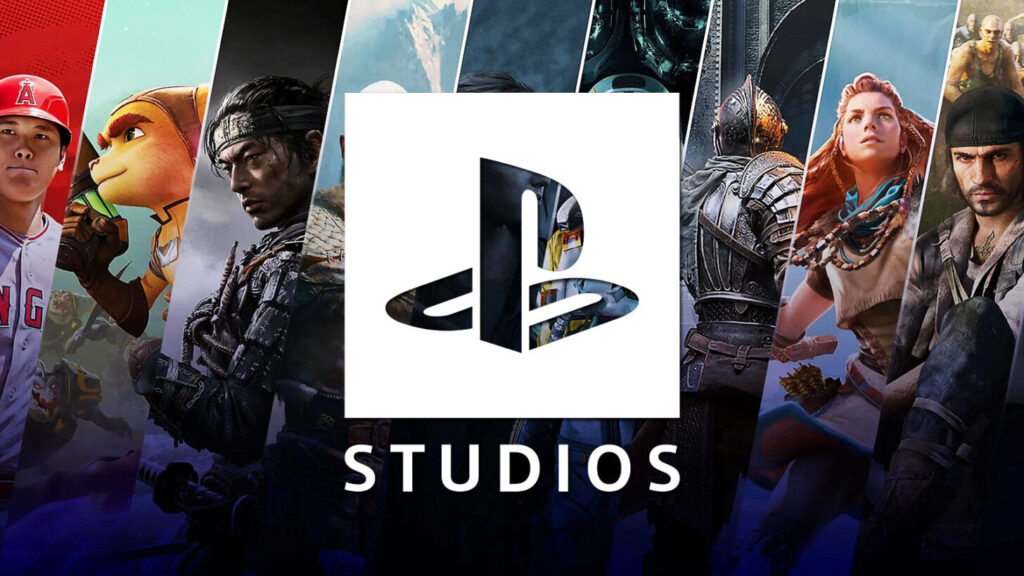
While the plan looked promising, not every studio adapted easily to the new direction. Some developers were previously known for story-driven or remake-based projects, making the transition to live-service development more complex.
For example, Bluepoint Games had built a strong reputation for high-quality remakes. After moving toward a live-service concept, one of its major projects was canceled, which eventually led to the studio’s closure.
On the other hand, studios like Insomniac Games continued focusing on cinematic single-player experiences while also exploring new gameplay ideas. This balanced approach has helped maintain stability.
Comparison: Single-Player Focus vs Live-Service Direction
| Development Style | Studio Example | Strength | Current Outcome |
|---|---|---|---|
| Single-Player Focus | Insomniac Games | Strong storytelling and consistent releases | Stable growth |
| Live-Service Transition | Bluepoint Games | Technical expertise but new direction | Project canceled |
| Multiplayer Expertise | Bungie | Online experience and community support | High expectations |
What This Means for PlayStation’s Future
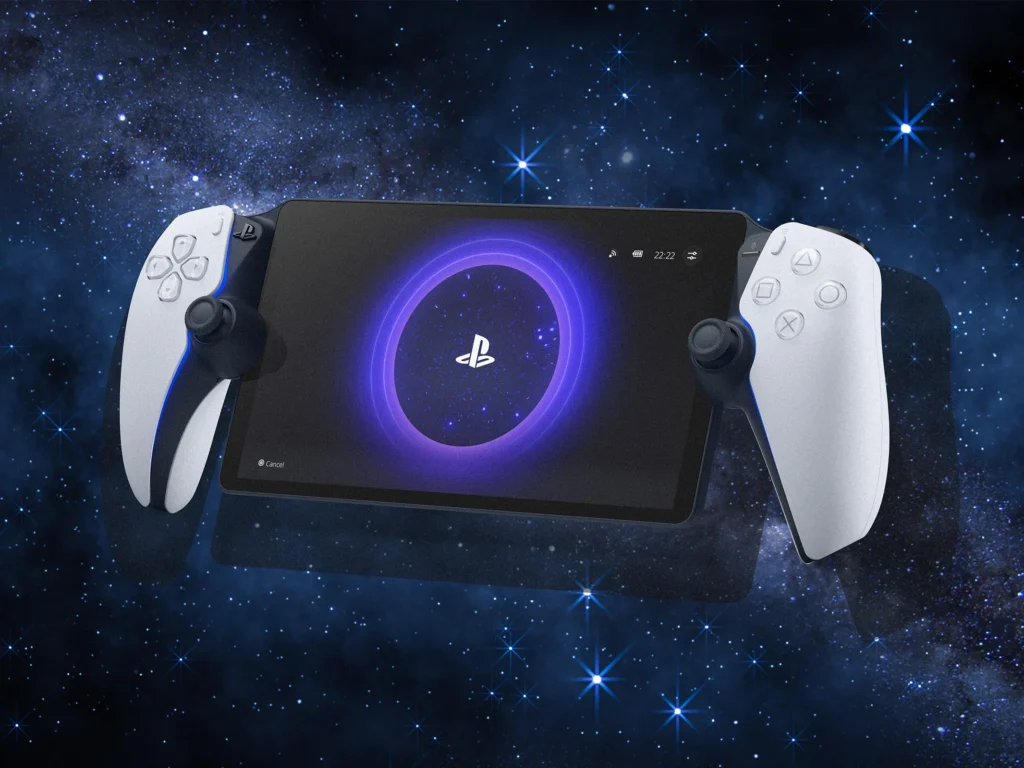
Sony’s live-service push clearly shows ambition, but the results so far have been mixed. While multiplayer games offer long-term engagement, PlayStation’s strongest identity still comes from story-driven exclusives.
Moving forward, Sony may continue refining its approach by balancing both styles. If upcoming multiplayer titles perform well, the strategy could strengthen PlayStation’s global reach. If not, the company may return to a stronger focus on single-player experiences that fans already trust.
For more insights, explore our internal coverage on PlayStation exclusive games and upcoming console releases.
Overall, Sony’s evolving strategy highlights an important lesson in the gaming industry: success often depends on adapting to trends without losing the strengths that built the brand in the first place.