
Meta Description: The Middle East has entered a dangerous new phase as coordinated US and Israeli military action against Iran has triggered widespread retaliation and global concern. Learn what’s happening and why this matters.
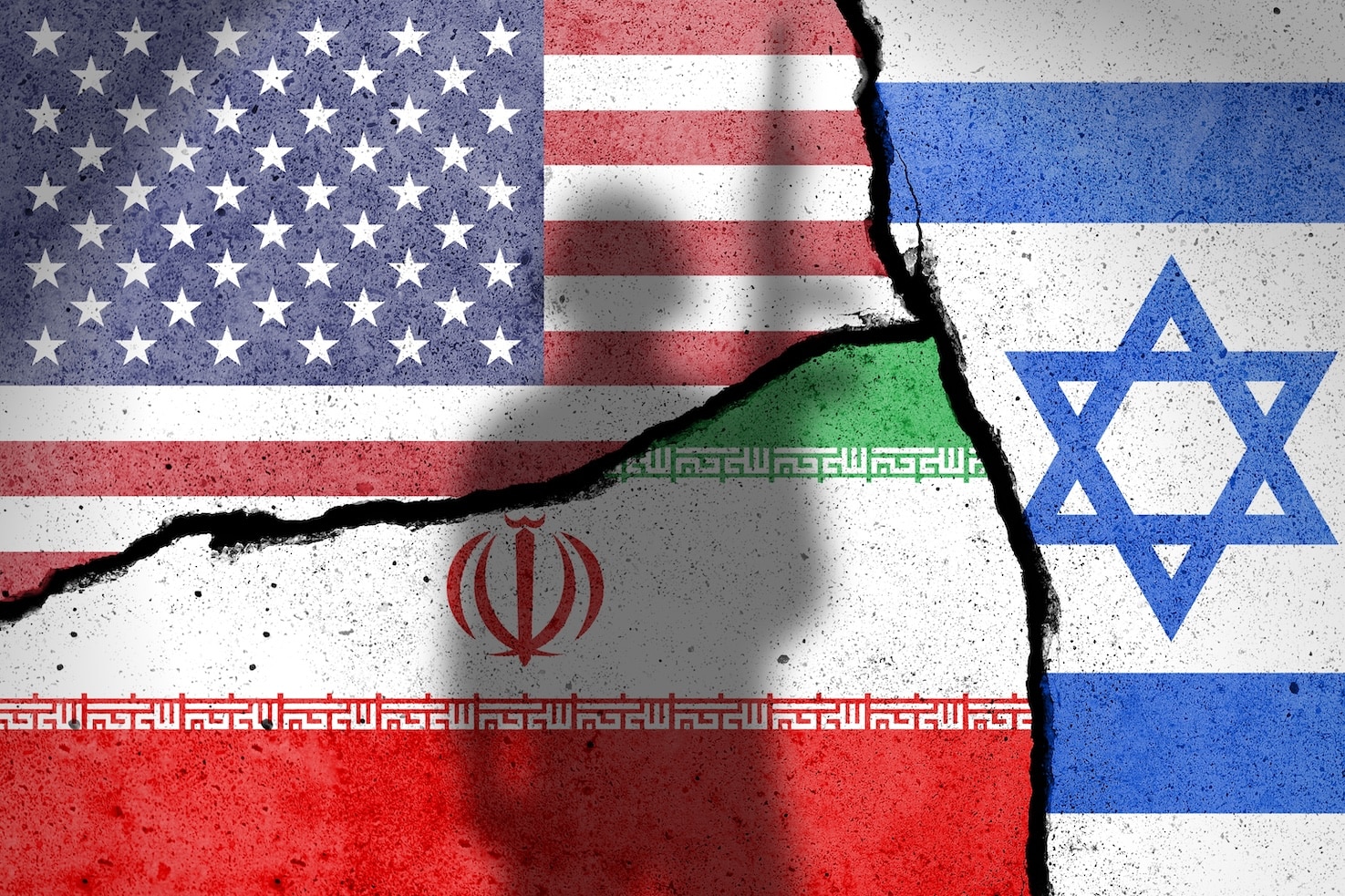
The Middle East is once again at the center of a serious crisis after joint military action by the United States and Israel against Iran sparked a strong retaliatory response from Tehran. This latest escalation marks a new and dangerous phase in regional tensions, with impacts stretching far beyond the immediate combatants.
What Triggered the New Phase of Conflict?
On 28 February 2026, the United States and Israel launched coordinated air and missile strikes deep inside Iran. The offensive, described by military sources as a major combat operation planned over several months, struck military targets, command centres, and infrastructure in multiple Iranian cities including Tehran, Isfahan, and Qom.
US President Donald Trump said the strikes were aimed at neutralizing threats from Tehran’s missile and nuclear capabilities. He also called for a change in Iran’s political direction, portraying the action as necessary to protect regional security.
Iran’s Retaliation and Regional Impact
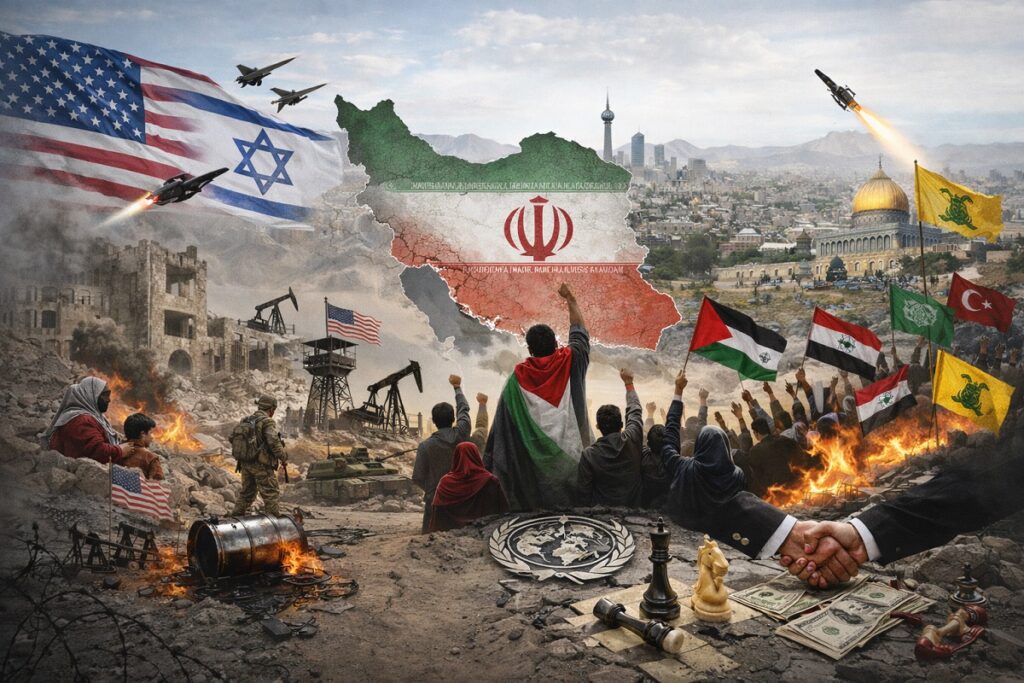
In retaliation, Iran launched a broad series of missile and drone strikes targeting Israeli and American military assets across the Middle East. Iranian forces reportedly struck US bases in several Gulf states, including Qatar, Bahrain, Kuwait, and the United Arab Emirates, while also firing missiles toward Israel itself.
Multiple countries hosting US military installations saw alerts and explosions, and air defence systems were activated as missiles crossed regional air space. The heightened activity has led to emergency responses and flight restrictions in several nations.
The intensity and reach of Iran’s retaliation have transformed what began as a targeted military strike into a broader regional confrontation.
How This Escalation Differs from Past Conflicts
| Aspect | Past Escalations | Current Conflict Phase |
|---|---|---|
| Scope of Strikes | Mostly localized military actions | Broad offensive and wide retaliation |
| Targets | Specific facilities | Multiple US and Israeli military assets across the region |
| Civilian Impact | Limited alerts | Closure of airspace, flight disruptions, emergency measures |
| Diplomatic Context | Negotiations ongoing | Negotiations paused amid intense conflict |
This simple comparison highlights how the situation has shifted from smaller clashes or diplomatic brinksmanship to a full-blown military confrontation with cross-border implications.
Global and Regional Reactions
Leaders around the world have reacted with alarm to this escalation:
- Russia condemned the US-Israel strikes as “unprovoked aggression,” warning they could lead to widespread instability and humanitarian risks.
- Several Gulf countries condemned Iranian missile breaches of their airspace and emphasised their sovereignty.
- Multiple nations have urged immediate diplomacy to avoid further loss of life and broader conflict.
International organisations and civil society groups have also called for restraint, citing the dire consequences of continued military escalation for civilians across the region.
What This Means for Regional Stability
The recent military actions have paused ongoing diplomatic efforts aimed at addressing Iran’s nuclear programme and missile development. Peace talks, once active in the region, now appear to be on hold amid growing mistrust and military responses.
Civilians in many countries are now living with heightened alerts, air defence responses, and economic uncertainty. Regional markets and global energy prices could also be impacted as political risk rises.
Conclusion: A Turning Point in Tensions
The new phase of the Iran–Israel–US conflict is among the most intense in years, blending strategic military action with widespread retaliation. The situation remains fluid, and a return to diplomacy will require careful negotiation and international engagement.
Stay informed through global news and expert analyses as this evolving story continues to shape the future of Middle East geopolitics.