
Meta Description: Artemis II mission control explained. Discover how NASA’s modern mission control works, key roles, and how it has evolved since Apollo.
Artemis II Mission Control: The Heart of the Moon Mission
When people think about space missions, they often picture astronauts or rockets. But the real control lies on Earth. The Artemis II mission control is where every decision is made, every signal is tracked, and every risk is managed.
Located in Texas, this mission control center is responsible for guiding NASA’s next crewed mission to the Moon. While technology has changed over the years, the main idea remains the same—keep astronauts safe and complete the mission successfully.
How Mission Control Works Today
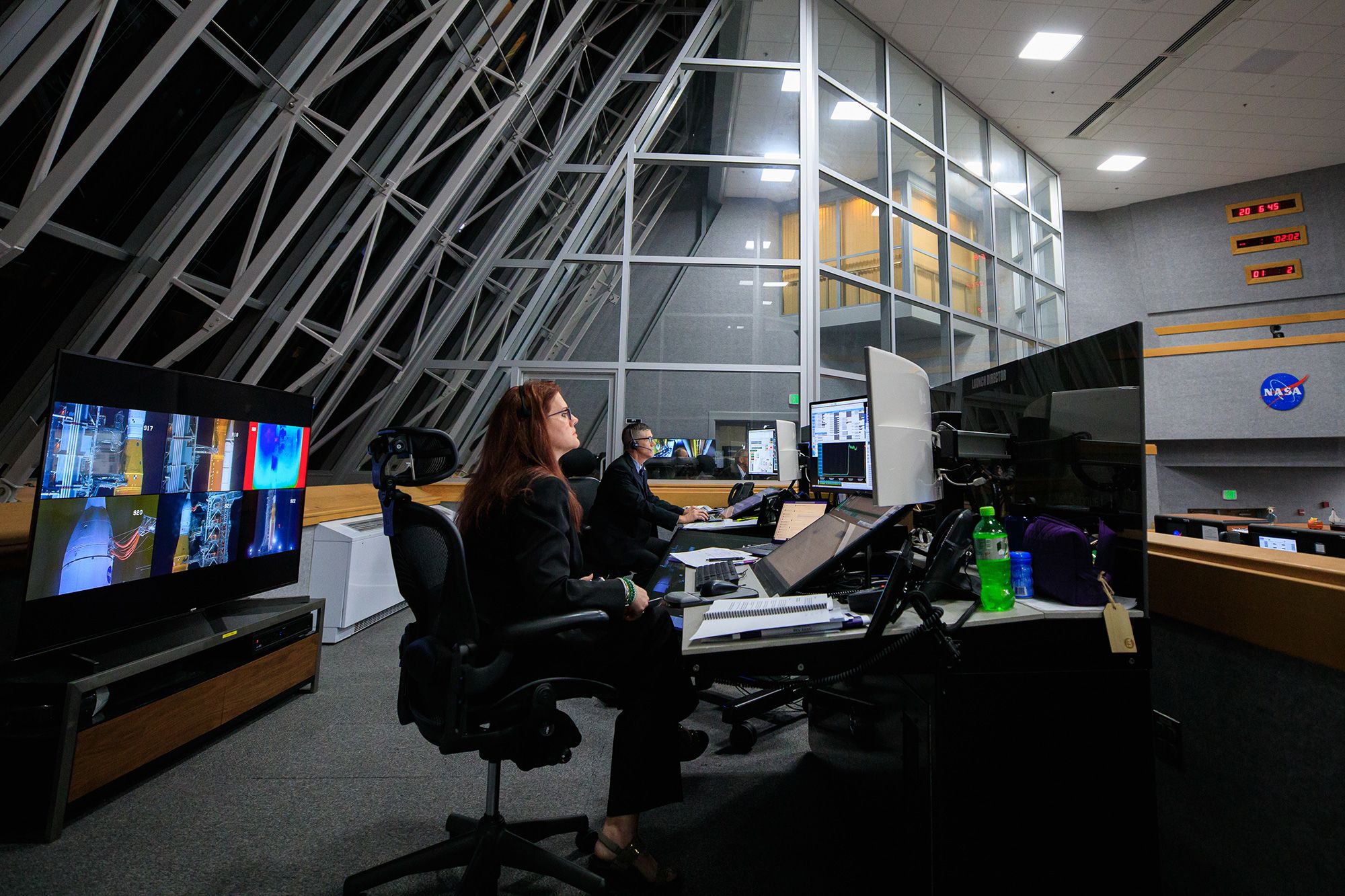
The Artemis II mission control operates 24 hours a day in shifts. Teams monitor every detail of the spacecraft, from its path in space to the health of astronauts onboard.
Their main responsibilities include:
- Tracking spacecraft systems and performance
- Communicating with astronauts
- Sending commands when needed
- Managing emergencies in real time
Every instruction sent to space goes through a single channel called the “capcom.” This avoids confusion and keeps communication clear.
Artemis II vs Apollo Mission Control
Mission control has changed a lot since the Apollo days. Here is a simple comparison:
| Feature | Apollo Era | Artemis II Era |
|---|---|---|
| Technology | Basic screens and buttons | Advanced computers and touchscreens |
| Work Environment | Formal and limited diversity | Informal and diverse teams |
| Communication | Basic systems | Highly advanced systems |
| Monitoring Systems | Limited data tracking | Real-time detailed analysis |
Even with these changes, the structure created in the 1960s still works well today.
The Role of Engineers and Support Teams
Behind the main control room, there is another important group called the Mission Evaluation Room. These engineers are the ones who designed the spacecraft. They study every small detail and help solve problems during the mission.
They are not involved in direct decisions but provide deep technical support. This ensures that any issue is not just handled quickly but also solved properly.
Why Simulation Is So Important
Before launch, teams run many simulations. These tests create possible failure situations so the team can prepare in advance.
The goal is simple—face problems during training, not during the real mission. Engineers and controllers practice handling multiple failures at once so they are ready for anything in space.
The Biggest Challenges in Artemis II
The Artemis II mission control team will face several critical moments:
- Deciding whether to send the spacecraft to the Moon
- Managing a period when communication is lost behind the Moon
- Handling high-speed re-entry into Earth’s atmosphere
Each of these moments requires careful planning and quick decisions.
What Makes Artemis II Unique
This mission will take astronauts farther than ever before. It is also the first crewed Moon mission in over 50 years.
Unlike earlier missions, modern systems are more advanced but also more complex. This means mission control must be even more prepared for unexpected situations.
Final Thoughts
The Artemis II mission control is truly the backbone of the mission. While astronauts may be in space, the real teamwork happens on the ground.
With advanced technology, experienced teams, and detailed preparation, mission control ensures that every step of the journey is safe and successful.