

For years, Big Tech companies have presented themselves as neutral platforms designed to connect people and ideas. Social media once promised open discussion, equal reach, and freedom of expression. Today, many users feel that promise has quietly faded.
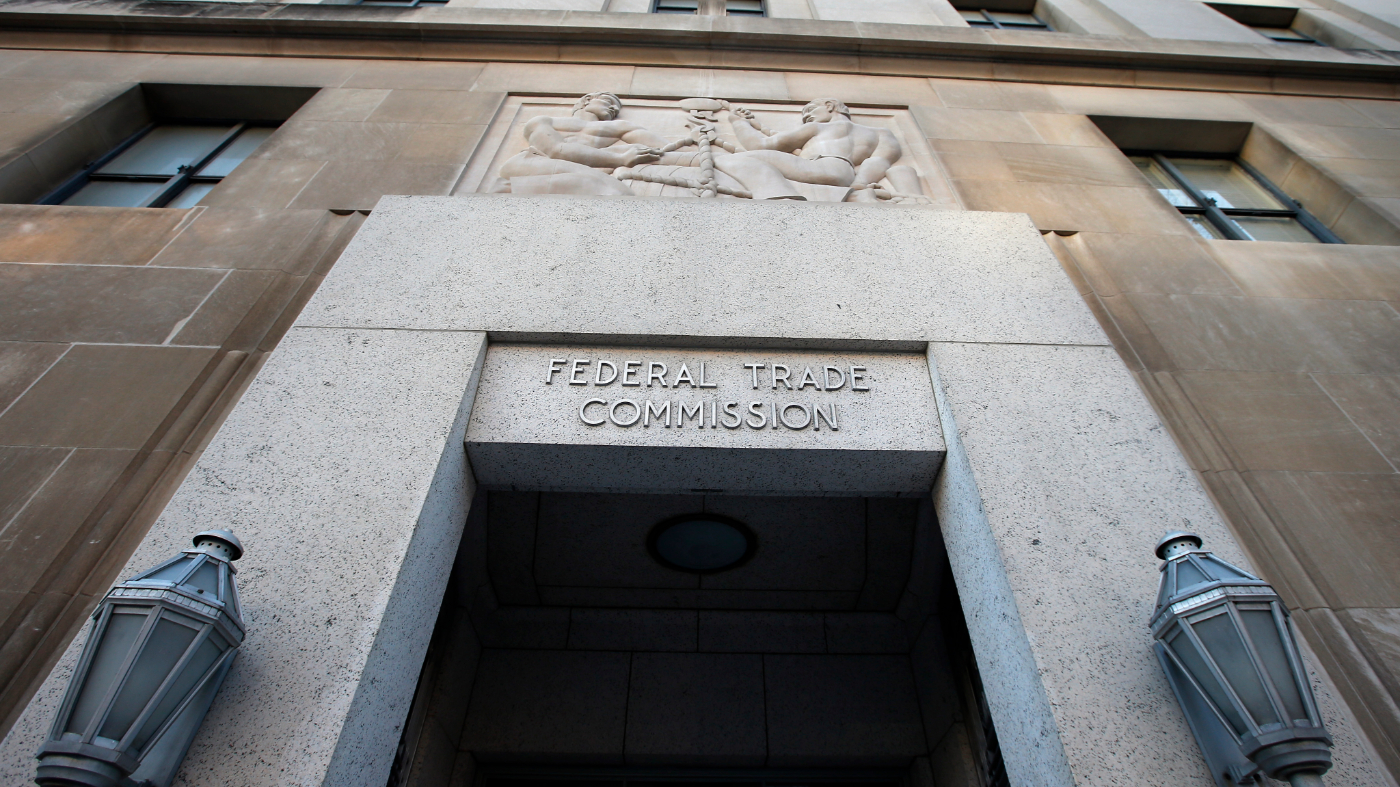
The Federal Trade Commission’s recent probe into technology platform censorship signals a major shift. Even if the investigation does not lead to immediate penalties, it publicly acknowledges that digital platforms may be using their power in ways that limit speech, visibility, and opportunity. That admission alone marks a turning point.
Most modern censorship does not happen in obvious ways. Instead, it works silently. Posts lose reach. Creators get demonetized. Accounts are restricted or removed without clear explanations. Users are left guessing which rule they violated, if any at all. Appeals are often slow or ineffective.
This kind of opaque moderation gives platforms enormous influence. Decisions are driven by algorithms and internal policies that remain hidden from the public. Community standards are framed as safety measures, but in practice, they determine which ideas survive and which disappear. Over time, users learn that engagement depends more on compliance than creativity.
The FTC’s decision to ask for public input reflects rising pressure. Complaints about shadow banning, biased moderation, and algorithm suppression are no longer isolated incidents. They form a consistent pattern that regulators can no longer ignore. Once trust erodes, the narrative of neutrality begins to collapse.
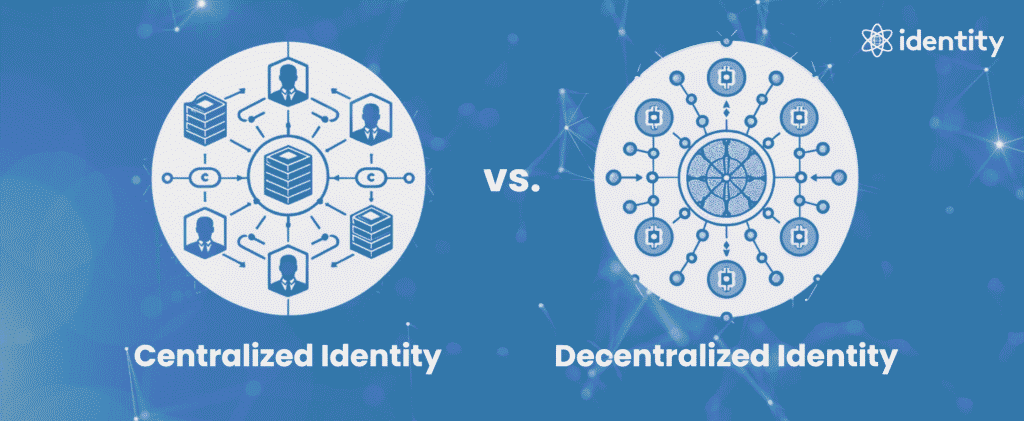
| Centralized Platforms | Independent Alternatives |
|---|---|
| Algorithm-controlled reach | Community-driven discovery |
| Hidden moderation rules | Transparent guidelines |
| Platform-owned monetization | Creator-owned income |
| Centralized decision-making | Decentralized control |
This comparison explains why many creators are reducing their dependence on single platforms. Relying entirely on systems that can change rules overnight carries serious risk.
If Big Tech begins to lose control, the impact could reach far beyond social media. Distribution power may weaken. Algorithmic dominance may face new limits. Smaller communities, independent publishing, niche forums, and creator-owned platforms could see renewed growth as users seek trust and stability.
Creativity may also benefit. When success is no longer tied to algorithm approval, originality has room to return. Instead of chasing trends, creators can focus on meaningful work and direct relationships with audiences.
Users who care about free speech and transparency can take practical steps. Avoid building identity or income on platforms that can erase years of work instantly. Support independent creators and spaces where rules are clear. Document censorship when it occurs and demand accountability.
Big Tech did not build its influence by offering greater freedom. It built power by controlling attention, data, and distribution. A system should be judged by what it does, not by what it claims.
If the internet is to remain open, it must move away from black boxes and return control to the people who create and share its content.