

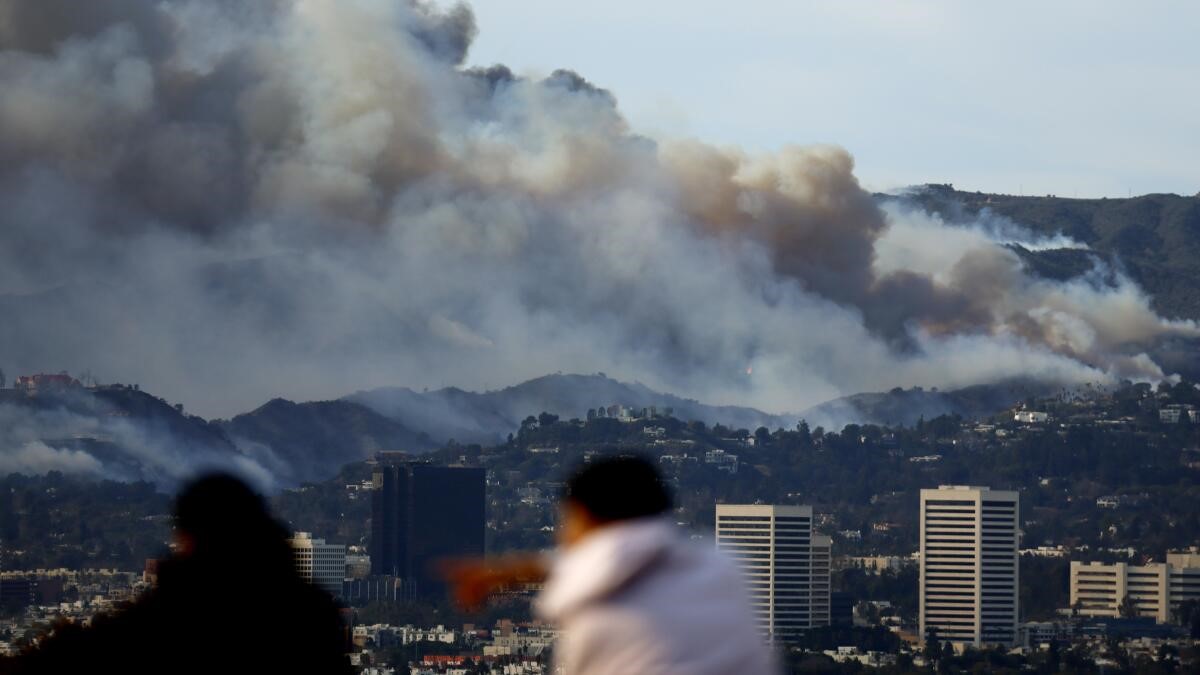
Wildfire smoke is affecting air quality across the U.S. as large wildfires continue to burn in different parts of North America. Smoke from these fires is traveling hundreds of miles with the help of strong winds, reaching states that are far from the actual wildfire zones. As a result, millions of people are breathing polluted air without seeing any nearby flames.
Poor air quality can affect daily life, especially for children, older adults, and people with heart or lung conditions. Understanding how wildfire smoke impacts the air can help you make better decisions to protect your health.
Why Is Wildfire Smoke Affecting Air Quality?
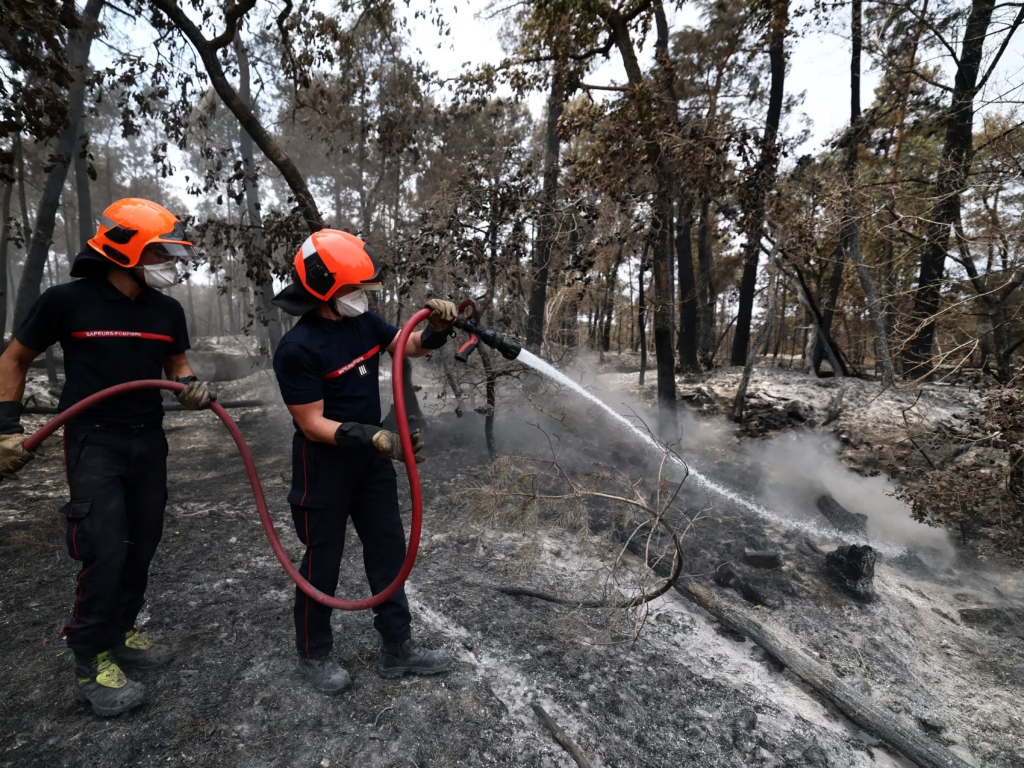
Wildfires produce large amounts of smoke filled with tiny particles known as fine particulate matter. These particles are small enough to enter deep into the lungs and even reach the bloodstream. When weather conditions are dry and windy, the smoke spreads over long distances and remains in the atmosphere for several days.
Many regions across the Midwest, Northeast, and other parts of the country have experienced hazy skies and poor visibility because of wildfire smoke. In some areas, air quality levels have reached unhealthy categories, leading health officials to advise people to stay indoors.
If you want to learn more about changing weather conditions, you can also read our article on climate change and extreme weather.
Health Effects of Wildfire Smoke
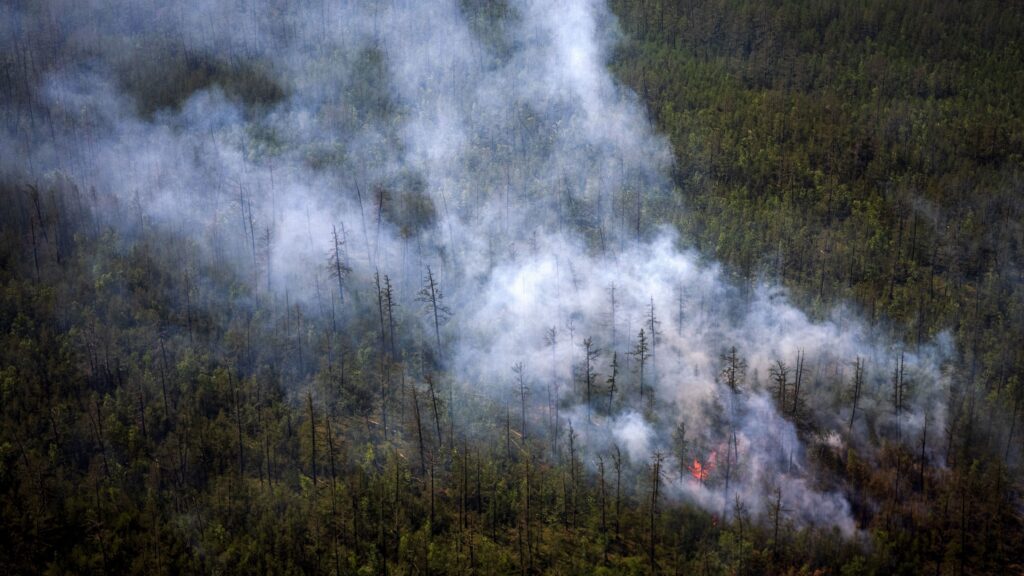
Breathing smoky air can lead to several short-term and long-term health concerns. While healthy adults may experience mild symptoms, sensitive groups are at greater risk.
Common symptoms include:
- Coughing and sore throat
- Burning or watery eyes
- Shortness of breath
- Headaches
- Fatigue
- Worsening asthma or other lung conditions
People with existing heart or respiratory diseases should be especially careful during periods of poor air quality.
| Clean Air | Air Affected by Wildfire Smoke |
|---|---|
| Easy breathing | Breathing may become difficult |
| Clear skies | Hazy or smoky conditions |
| Safe for outdoor activities | Outdoor time should be limited |
| Lower health risks | Higher risk for sensitive groups |
How to Stay Safe During Wildfire Smoke
Reducing your exposure to wildfire smoke is one of the best ways to protect your health. A few simple precautions can make a big difference.
- Stay indoors when air quality is poor.
- Keep doors and windows closed.
- Use an air purifier or air conditioner with a clean filter.
- Wear a properly fitted N95 mask if you need to be outside.
- Avoid outdoor sports or heavy physical activity.
- Drink plenty of water and monitor your health if symptoms appear.
Checking local air quality updates each day can also help you decide when it is safe to spend time outdoors.
Why Air Quality Matters More Than Ever
As wildfire seasons become longer and more intense, poor air quality is becoming a common problem across many parts of the U.S. Even communities located far from active fires can experience unhealthy air because smoke travels great distances. Staying informed and taking simple safety measures can reduce health risks and help families stay protected during wildfire season.
Final Thoughts
The impact of wildfire smoke on air quality across the U.S. is a growing concern that should not be ignored. Smoke can spread quickly, affect millions of people, and create serious health problems for vulnerable groups. By understanding the risks and following simple safety tips, you can reduce your exposure and protect your family. Staying updated on air quality conditions and preparing for smoky days will help you stay healthy throughout the wildfire season.