

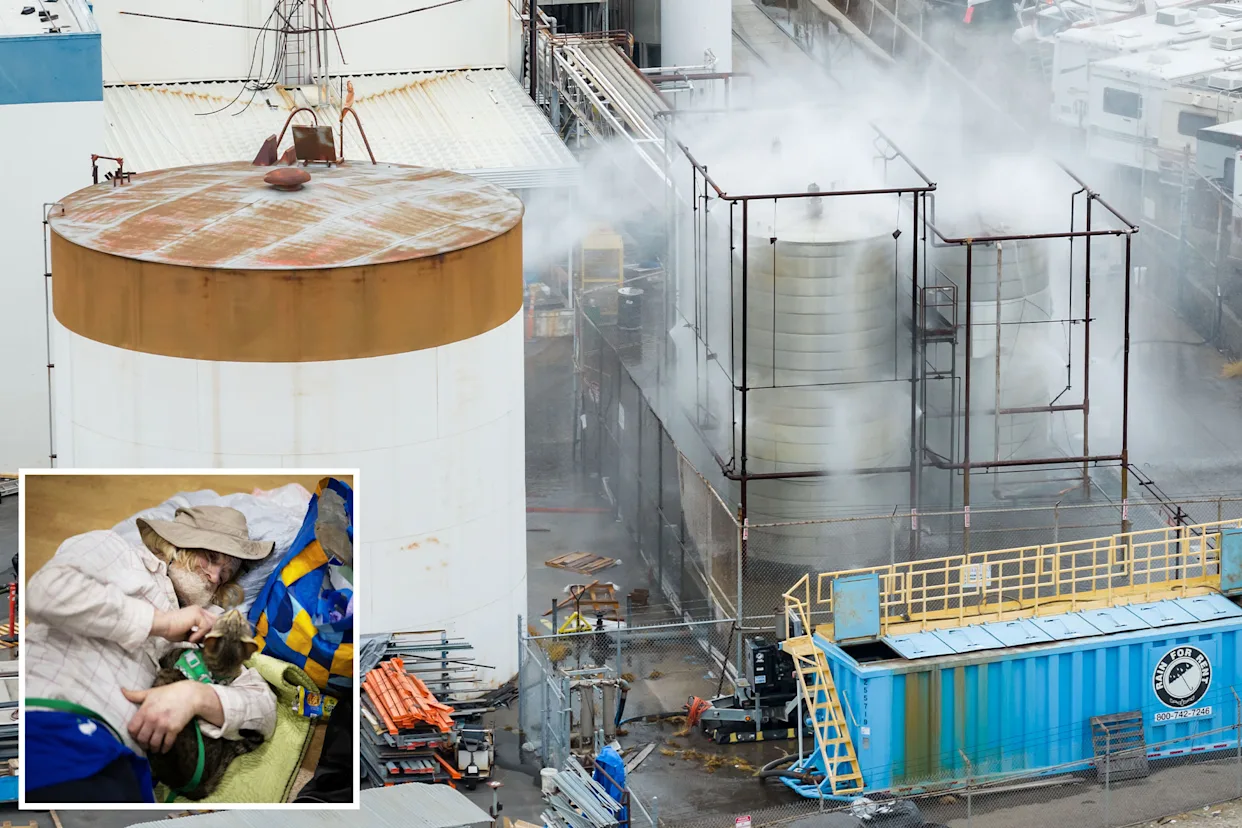
A recent chemical emergency in Orange County has once again highlighted the serious dangers linked to thermal runaway reactions in industrial facilities. Thousands of residents were forced to evacuate after a chemical tank at an aerospace company in Garden Grove began overheating, creating fears of a possible explosion.
While the worst-case scenario was avoided, the incident has raised major questions about chemical safety and industry preparedness.
What Happened During the Orange County Chemical Crisis?
The crisis began when a cooling system connected to a pressurized chemical tank reportedly failed at a Garden Grove aerospace facility. The tank contained nearly 7,000 gallons of methyl methacrylate, also known as MMA, a highly reactive industrial chemical used to make plastics and other products.
As the cooling system stopped working, the temperature inside the tank started rising quickly. Officials feared the tank could trigger a thermal runaway reaction, a dangerous process where heat causes chemicals to react faster, creating even more heat.
This situation created the risk of a BLEVE, or boiling liquid expanding vapor explosion, which could have caused severe damage across nearby neighborhoods.
Why Thermal Runaway Reactions Are Dangerous
Thermal runaway incidents are not new to the chemical industry. Experts have warned for years that highly reactive chemicals like MMA can become extremely dangerous when exposed to heat in pressurized conditions.
Here is a simple comparison of the potential risks involved:
| Risk Factor | Possible Impact |
|---|---|
| Rising Tank Temperature | Increased chemical reaction speed |
| Pressure Build-Up | Risk of tank explosion |
| Chemical Vapor Release | Air contamination and breathing problems |
| Thermal Runaway Reaction | Fire, blast, or toxic exposure |
| Cooling System Failure | Loss of temperature control |
Experts say these incidents can escalate quickly if safety systems fail or if chemical reactions are not controlled in time.
Evacuations and Emergency Response
The danger forced nearly 50,000 people to evacuate parts of Orange County during the Memorial Day weekend. Businesses, homes, and even a nearby elementary school were included in the evacuation zone.
Firefighters faced an extremely difficult challenge. Pumping neutralizing chemicals into the tank was not possible because the chemical inside had started solidifying, blocking access valves.
Instead, emergency crews continuously sprayed cool water onto the tank to reduce the temperature and stabilize the reaction. Officials monitored the tank for several days as temperatures slowly dropped.
Fortunately, the cooling strategy worked, and authorities later confirmed the risk of explosion had been eliminated.
Why Experts Say the Industry Must Improve Safety
Chemical safety researchers say incidents like this show that the industry still struggles with managing reactive chemical hazards. Similar thermal runaway disasters have happened in other countries, including deadly incidents in India and Japan.
Experts believe stronger safety systems, better monitoring, and improved emergency planning are necessary to prevent future disasters.
The Orange County incident also showed how quickly nearby communities can be affected when industrial facilities store large amounts of hazardous chemicals close to residential areas.
Final Thoughts
The Orange County chemical crisis ended without a catastrophic explosion, but it served as a serious warning about the dangers of thermal runaway reactions. Quick action by emergency crews helped avoid a much larger disaster, but many safety concerns remain unanswered.
As industrial facilities continue handling hazardous chemicals, experts say companies must invest more in prevention systems and emergency preparedness to protect workers and nearby communities.
Readers interested in industrial safety can also explore topics like chemical plant safety standards, hazardous material management, and environmental risk prevention to better understand modern industrial challenges.