

Meta Description: Explore the risks and challenges of quantum technology, including security concerns, technical limits, and future uncertainties.
Risks and Challenges of Quantum Technology
Quantum technology is growing fast, but it is not without problems. While it offers powerful solutions, the risks and challenges of quantum technology cannot be ignored. Understanding these issues is important as the world moves closer to adopting quantum systems.
From security threats to technical limits, there are several factors that need attention before this technology becomes widely usable.
Security Risks in Quantum Technology
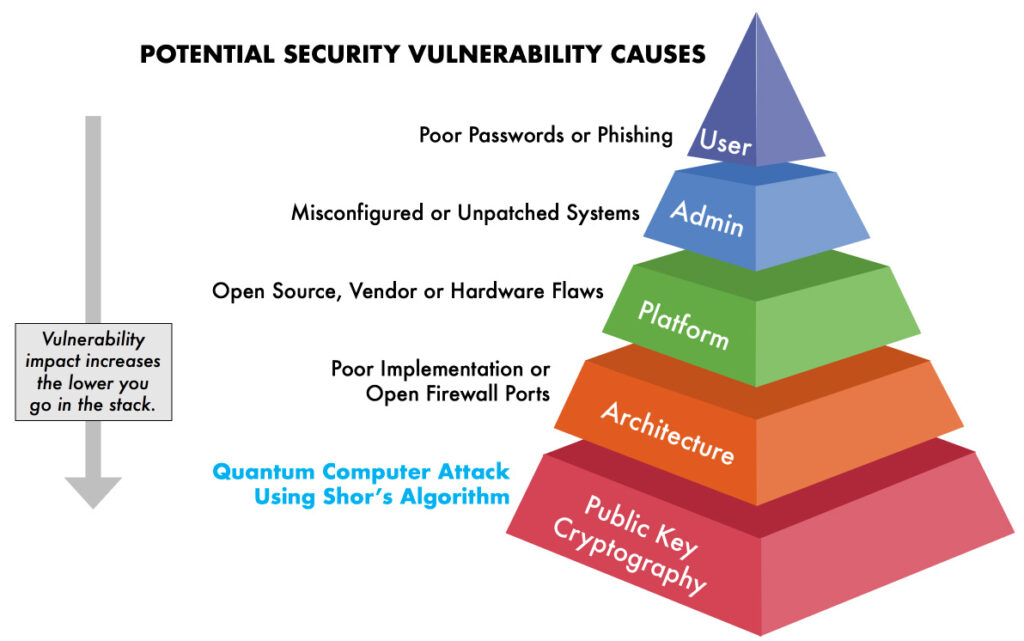
One of the biggest concerns is cybersecurity. Today, most online systems depend on encryption methods to keep data safe. However, quantum computers have the potential to break these systems in the future.
For example, commonly used encryption methods may not be strong enough against advanced quantum machines. This creates a risk where sensitive data, such as banking or personal information, could be exposed.
Experts also talk about a “harvest now, decrypt later” approach. This means data collected today could be unlocked in the future when quantum systems become powerful enough.
If you are interested in related topics, you may also explore cybersecurity trends and data protection strategies.
Technical Limitations
Another major challenge is the current state of the technology. Quantum computers are still in early development and are not stable enough for everyday use.
They require extremely low temperatures to function properly. Even small disturbances can cause errors in calculations. This makes them difficult to maintain and operate.
Scaling quantum systems is also a big issue. Building larger and more reliable machines is still a work in progress.
High Cost and Infrastructure Needs
Quantum technology is expensive. Developing and maintaining quantum systems requires advanced equipment and skilled professionals.
Many companies and countries are investing heavily, but the cost remains a barrier for widespread adoption. Infrastructure also needs to improve before this technology can be used on a large scale.
Quantum Technology vs Current Systems
Here is a simple comparison to understand the challenges better:
| Aspect | Current Technology | Quantum Technology |
|---|---|---|
| Stability | High | Low (still developing) |
| Cost | Affordable | Very high |
| Security | Strong (for now) | Potential risk and solution |
| Scalability | Easy | Difficult |
This table shows that while quantum technology is powerful, it still has several hurdles to overcome.
Lack of Awareness and Skills
Another challenge is the lack of awareness and skilled professionals. Quantum technology is still new, and many people do not fully understand it.
There is a growing need for trained experts in fields like quantum computing, engineering, and software development. Without a skilled workforce, progress may slow down.
Learning basic concepts today can help individuals prepare for future opportunities in this field.
Uncertain Future
The future of quantum technology is promising but uncertain. Researchers are still testing different approaches, and there is no clear answer on which methods will succeed.
This uncertainty makes it difficult for businesses and governments to plan long-term strategies.
Final Thoughts
The risks and challenges of quantum technology are real, but they are not impossible to solve. As research continues, many of these issues may be reduced over time.
Understanding these challenges helps in making better decisions about how to use and develop this technology. While the journey is not easy, the potential benefits make it worth the effort.