

Meta Description
Climate change and rising temperatures are driving extreme heat across the US. Understand the causes, impact, and what it means for the future.
Climate Change and Rising Temperatures in the US
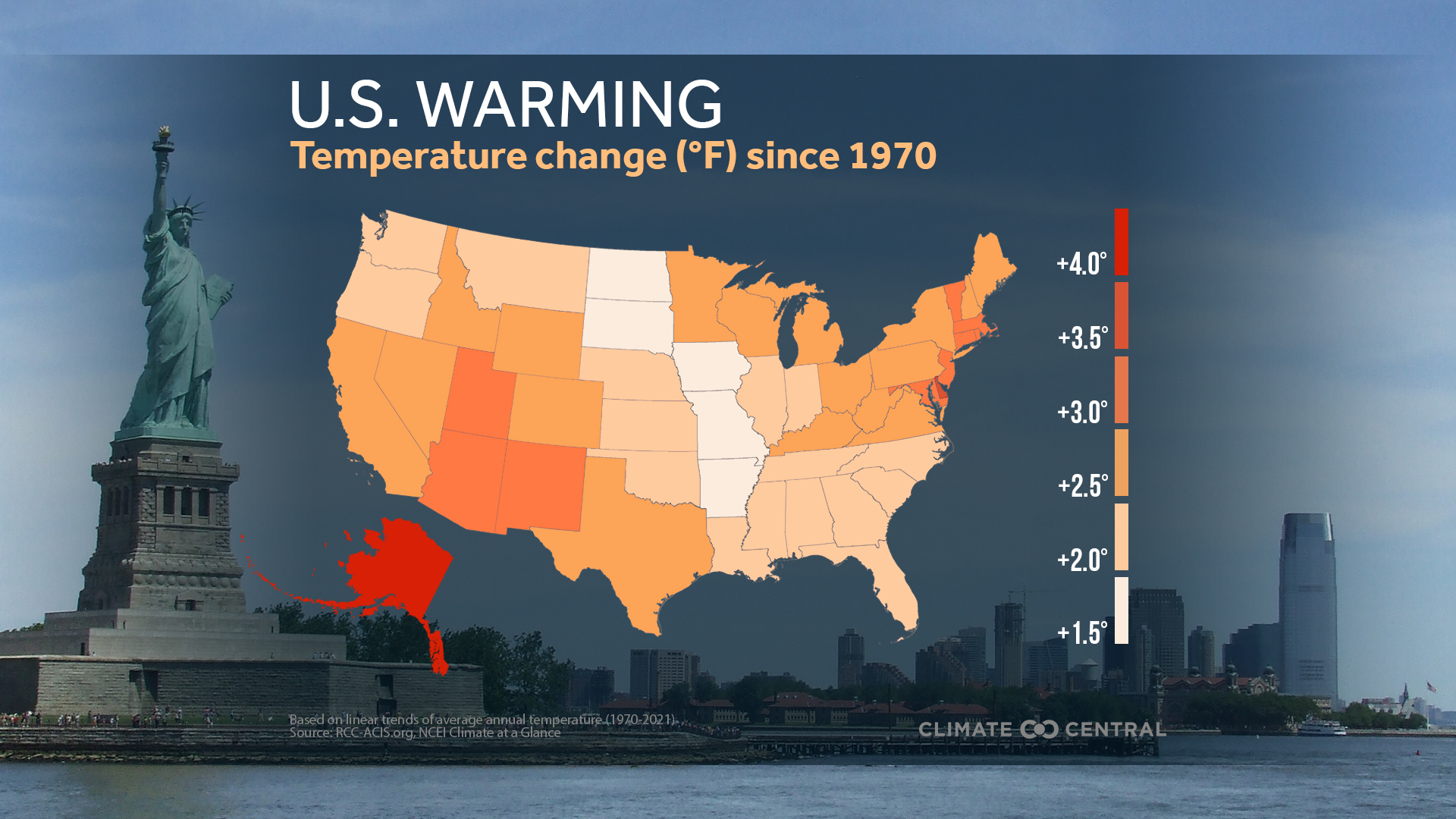
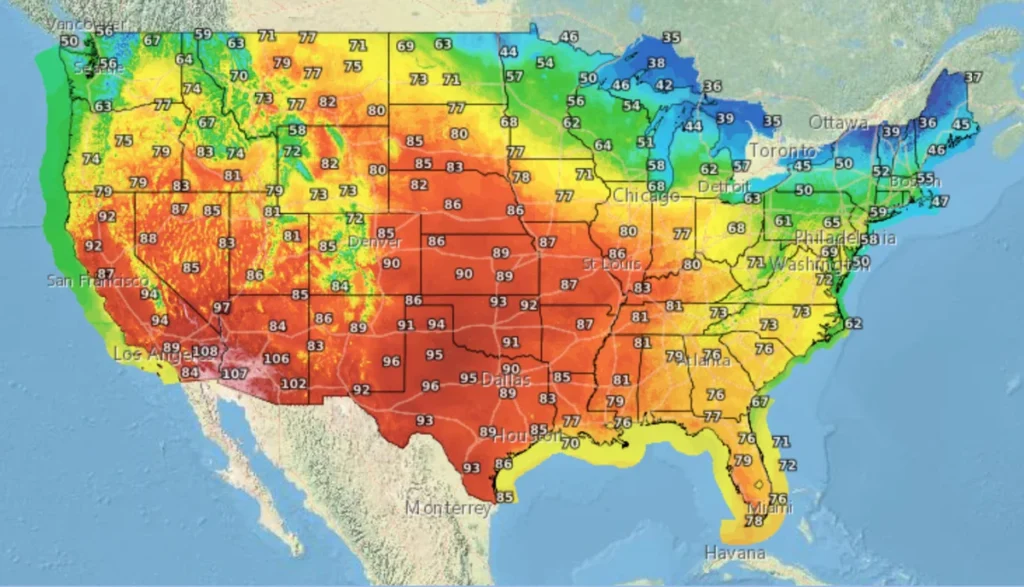
Climate change and rising temperatures are becoming a clear reality across the United States. Recent heatwaves in states like Arizona and California show how quickly weather patterns are changing. Temperatures have already crossed 100°F (37.7°C) in March, which is far earlier than expected.
This is not just a short-term weather shift. Experts believe it is part of a long-term trend driven by global warming. As average temperatures rise, extreme heat events are becoming more frequent and more intense.
Why Temperatures Are Rising Faster
The main reason behind rising temperatures is the increase in greenhouse gases in the atmosphere. These gases trap heat and prevent it from escaping, causing the planet to warm over time.
Because of this, seasons are starting to shift. Spring is becoming shorter, and summer-like conditions are arriving earlier. The recent heatwave in the Southwest US is a strong example of this change.
Impact on Different Regions
The effects of climate change are not limited to one area. While the Southwest is facing extreme heat, other parts of the country are also experiencing unusual weather.
In some regions, temperatures are rising sharply for a short time and then dropping suddenly. This kind of instability can increase the risk of wildfires, especially in dry areas. It also makes it harder for people to plan their daily activities.
Comparison: Past Climate vs Current Trends
| Aspect | Earlier Climate Pattern | Current Climate Trend |
|---|---|---|
| Seasonal Timing | Predictable | Shifting and irregular |
| Temperature Levels | Moderate | Higher and extreme |
| Heatwave Frequency | Occasional | More frequent |
| Environmental Risk | Lower | Increasing |
How It Affects Everyday Life
Climate change and rising temperatures are already affecting daily life. People are changing travel plans, avoiding outdoor work during peak hours, and using more cooling systems at home.
Farmers are also facing challenges as crops depend on stable weather conditions. Sudden heat can damage crops and reduce yield. This can eventually affect food supply and prices.
Health Risks Are Increasing
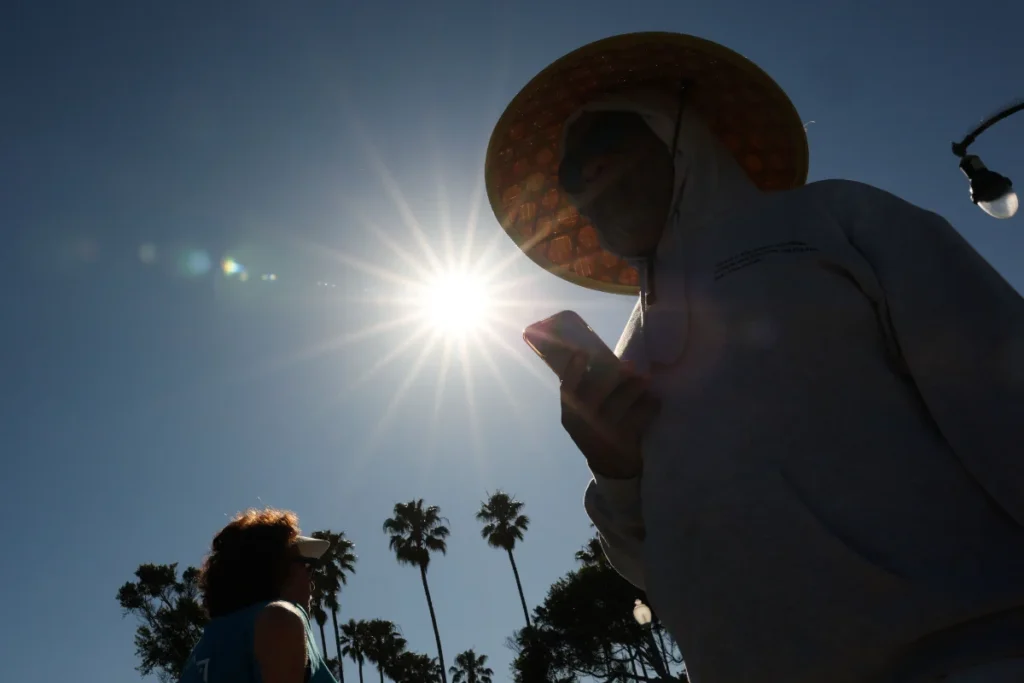
With rising temperatures, health risks are also growing. Heat exhaustion, dehydration, and heatstroke are becoming more common. Vulnerable groups like children and older adults are at higher risk.
It is important to stay alert during extreme heat. Even simple activities can become risky if proper precautions are not taken.
What Can Be Done
While climate change is a global issue, small actions can still make a difference. Reducing energy use, conserving water, and spreading awareness are important steps.
At the same time, governments and communities need to prepare better for extreme weather. Early warnings, public safety measures, and proper planning can help reduce the impact.
Final Thoughts
Climate change and rising temperatures are no longer distant concerns. They are affecting everyday life right now. The recent heatwave is a clear sign that change is already happening.
Understanding the problem is the first step. With better awareness and preparation, it is possible to adapt and reduce the risks linked to extreme heat in the future.