

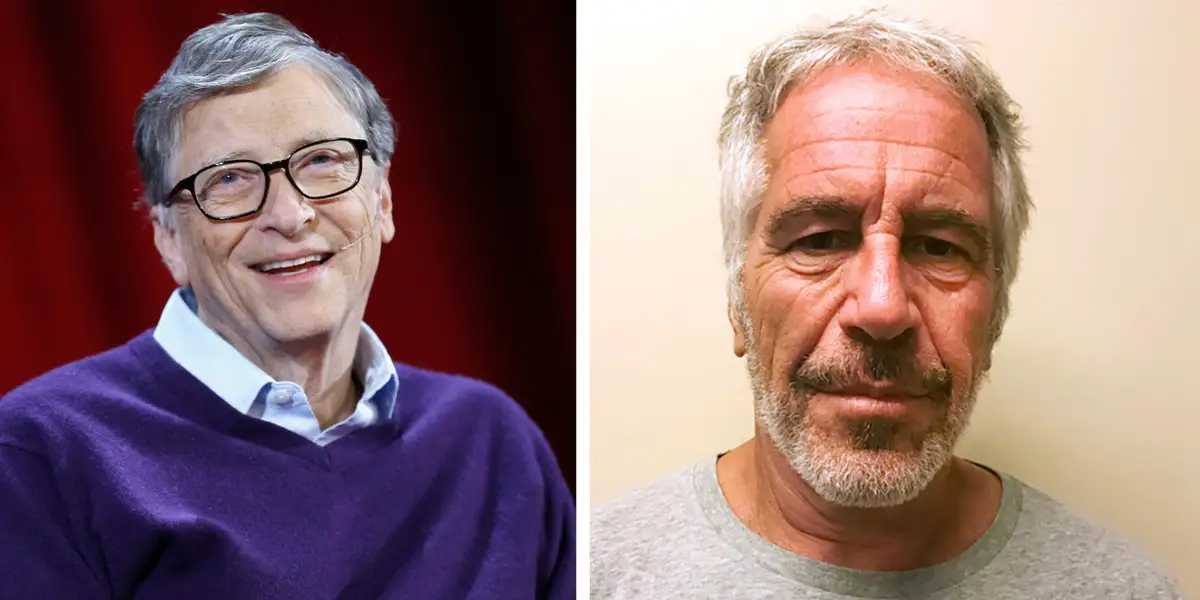
The Justice Department has released a large set of documents linked to Jeffrey Epstein, bringing renewed attention to his connections with some of the world’s most powerful men. Among the most discussed names in the files is Microsoft co-founder Bill Gates, along with Elon Musk, Prince Andrew, and others.
The release comes after a legal deadline that required the full disclosure of Epstein-related records. While many expected shocking new details, the documents mostly deepen existing questions rather than provide final answers.
What the Newly Released Emails Claim
According to the files, several emails appear to have been sent from an account associated with Jeffrey Epstein. Some of these messages make serious claims about Bill Gates, including allegations related to personal behavior and medical issues. One email suggests Epstein was upset after Gates ended contact with him and describes requests that Gates allegedly made.
Gates has firmly denied these claims. A spokesperson called the allegations “completely false” and stated that the emails only reflect Epstein’s frustration and attempts to damage Gates’ reputation. This response aligns with earlier statements made by Gates distancing himself from Epstein.
Other Powerful Figures Named in the Files
The documents also mention several other high-profile individuals. Elon Musk appears in email exchanges with Epstein years after Epstein’s earlier conviction in 2008. The messages suggest casual conversations about travel and social plans. However, Musk has repeatedly stated that he did not have a close relationship with Epstein and refused invitations to his private island.
Former President Bill Clinton, Prince Andrew, and other influential figures are also referenced, though the files do not introduce major new evidence against them. Much of the material highlights Epstein’s efforts to stay connected to powerful networks.
Key Individuals Mentioned vs Their Responses
| Name | Mentioned in Emails | Public Response |
|---|---|---|
| Bill Gates | Personal allegations | Claims are false and defamatory |
| Elon Musk | Travel and social emails | Says he refused island visits |
| Prince Andrew | Prior known links | Already publicly addressed |
| Bill Clinton | Historical associations | No new claims introduced |
Why the Release Took So Long
The Justice Department explained that delays were necessary to protect victims. Officials stated that all women appearing in any images or videos were fully redacted, except for Ghislaine Maxwell, who is currently serving a 20-year prison sentence for her role in Epstein’s crimes.
Deputy Attorney General Todd Blanche defended the process, saying the department worked carefully to balance transparency with victim protection.
Political Reaction and Public Criticism
Despite the release, critics argue that not all documents have been made public. Democratic leaders have accused the government of withholding nearly half of the total records. Victims’ advocates have also expressed frustration, saying the slow process has prolonged public mistrust.
This controversy connects closely with broader discussions already covered on internal pages about government transparency and accountability.
Why This Story Still Matters
The Epstein case continues to raise difficult questions about power, influence, and accountability. While the newly released emails may not change legal outcomes, they show how Epstein remained connected to elite circles for years.
As public pressure grows, the demand for full transparency is unlikely to fade. This case remains a reminder that wealth and status do not erase the need for scrutiny.